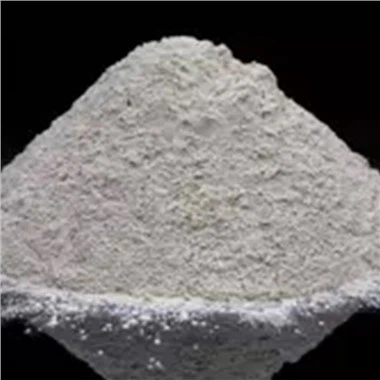
Sucralose, a well - known artificial sweetener, has been a topic of interest, especially when it comes to its use in diabetic - friendly products. As a supplier of Sucralose Safe for Diabetics, I often receive inquiries about whether sucralose can be used in diabetic mayonnaise. In this blog post, I will delve into the science behind sucralose, its safety for diabetics, and its potential application in diabetic mayonnaise.
Understanding Sucralose
Sucralose is a high - intensity artificial sweetener that is approximately 400 - 800 times sweeter than sucrose (table sugar). It is derived from sugar through a multi - step chemical process that replaces three hydrogen - oxygen groups on the sugar molecule with chlorine atoms. This modification makes sucralose resistant to digestion and metabolism in the human body, which is one of the key reasons it is considered suitable for diabetics.
One of the significant advantages of sucralose is its negligible impact on blood glucose and insulin levels. When we consume regular sugar, it is broken down into glucose, which enters the bloodstream and causes a spike in blood sugar levels. The pancreas then releases insulin to help cells absorb the glucose. For diabetics, this process can be difficult to manage, as their bodies either do not produce enough insulin or are resistant to its effects.
In contrast, sucralose passes through the body largely unchanged. It does not contribute calories in the same way as sugar, and studies have consistently shown that it does not cause significant changes in blood glucose, insulin, or glycosylated hemoglobin (HbA1c) levels in both healthy individuals and those with diabetes. This makes it an attractive alternative sweetener for diabetics who need to control their blood sugar while still enjoying sweet - tasting foods.
Safety of Sucralose for Diabetics
The safety of sucralose has been extensively studied. Regulatory agencies around the world, such as the U.S. Food and Drug Administration (FDA), the European Food Safety Authority (EFSA), and the Joint FAO/WHO Expert Committee on Food Additives (JECFA), have approved the use of sucralose as a food additive.
Numerous long - term studies have been conducted to evaluate the potential health effects of sucralose. These studies have found no evidence of adverse effects on human health, including no increased risk of cancer, no negative impact on the immune system, and no interference with normal metabolic processes. For diabetics, the safety of a sweetener is of utmost importance, as they often have compromised health and need to be cautious about what they consume.
Sucralose is also well - tolerated by most people. It has a clean, sweet taste without the bitter aftertaste that some other artificial sweeteners may have. This makes it a popular choice for use in a wide range of food and beverage products, including those targeted at diabetics.
Using Sucralose in Diabetic Mayonnaise
Mayonnaise is a popular condiment that is typically made with oil, egg yolks, vinegar or lemon juice, and seasonings. Traditional mayonnaise contains a significant amount of sugar, which can be a problem for diabetics. By replacing sugar with sucralose, it is possible to create a diabetic - friendly version of mayonnaise.
When formulating diabetic mayonnaise with sucralose, several factors need to be considered. First, the sweetness intensity of sucralose is much higher than that of sugar. Therefore, only a very small amount of sucralose is needed to achieve the same level of sweetness as a larger quantity of sugar. This means that the cost of using sucralose can be relatively low, especially when considering its high potency.
Second, the texture and stability of the mayonnaise need to be maintained. Sucralose does not have the same physical properties as sugar, such as its ability to contribute to the viscosity and emulsification of the mayonnaise. However, with proper formulation and the use of other ingredients such as stabilizers and emulsifiers, it is possible to create a mayonnaise that has a similar texture and stability to traditional mayonnaise.
Another important aspect is the flavor profile. Sucralose provides sweetness, but it may not have the same flavor - enhancing properties as sugar. To create a well - rounded flavor in diabetic mayonnaise, other flavorings and seasonings may need to be added. For example, herbs, spices, and natural flavor extracts can be used to enhance the taste and make the mayonnaise more appealing.
Our Sucralose Products
As a supplier of Sucralose Safe for Diabetics, we offer a range of high - quality sucralose products. Our Pharmaceutical Sucralose Liquid is a pure and concentrated form of sucralose that is suitable for use in pharmaceutical applications as well as in food and beverage products. It has excellent solubility and stability, making it easy to incorporate into mayonnaise formulations.
Our Sucralose E955 is a food - grade sucralose that meets the strict quality standards set by regulatory agencies. It is a fine powder that can be easily mixed with other ingredients in mayonnaise production. It provides a consistent and intense sweetness, ensuring that the diabetic mayonnaise has the right level of sweetness.
We also offer Dietary Sucralose, which is specifically designed for use in dietary products. This product is ideal for creating diabetic - friendly mayonnaise, as it is safe for consumption by diabetics and can help them manage their blood sugar levels while still enjoying a delicious condiment.

Contact Us for Procurement
If you are interested in using our sucralose products for diabetic mayonnaise production or other applications, we encourage you to contact us for procurement. We have a team of experts who can provide you with technical support and guidance on product selection and formulation. We can also offer competitive pricing and reliable supply to meet your business needs.
References
- "Safety evaluation of sucralose: a review of the evidence." Food and Chemical Toxicology.
- "The effects of sucralose on glycemic control in patients with type 2 diabetes." Diabetes Care.
- "Sucralose: a review of its safety and use in food products." Journal of Food Science.