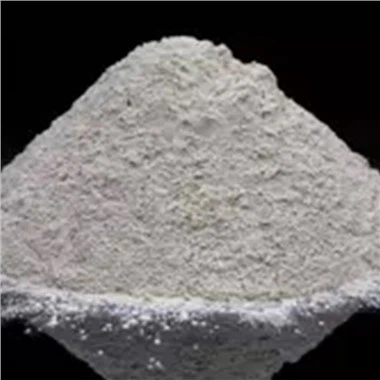
As a supplier of Sodium Carboxymethyl, I am often asked about its suitability for use in beverages. In this blog post, I will delve into the properties of Sodium Carboxymethyl, its applications in the beverage industry, and the regulatory aspects surrounding its use.
Understanding Sodium Carboxymethyl
Sodium Carboxymethyl, also known as Carboxymethyl Cellulose E466, is a water - soluble cellulose derivative. It is derived from natural cellulose through a chemical modification process. This compound has a wide range of applications due to its unique physical and chemical properties. You can learn more about it at Sodium Carboxymethyl.

One of the key features of Sodium Carboxymethyl is its ability to form a viscous solution in water. This viscosity - building property makes it an excellent thickening, stabilizing, and emulsifying agent. In addition, it has good solubility over a wide pH range, which allows it to be used in various types of beverages, from acidic fruit juices to neutral - pH sports drinks.
Applications in Beverages
Thickening and Stabilizing
In many beverages, maintaining a consistent texture and preventing sedimentation or separation of ingredients are crucial. Sodium Carboxymethyl can act as a thickening agent to increase the viscosity of the beverage. For example, in fruit juices with pulp, it helps to keep the pulp evenly distributed throughout the juice, preventing it from settling at the bottom. This not only improves the visual appeal of the product but also ensures a consistent taste and mouthfeel with each sip.
In dairy - based beverages such as milkshakes or smoothies, Sodium Carboxymethyl can enhance the thickness and creaminess. It helps to bind the water in the product, preventing the formation of ice crystals during freezing and maintaining a smooth texture. You can find more information about related cellulose products at CMC Cellulose.
Emulsification
Some beverages, like certain types of flavored coffee drinks or nut - based milk alternatives, contain oil - based flavors or ingredients. Sodium Carboxymethyl can act as an emulsifier to keep the oil and water phases from separating. It forms a protective layer around the oil droplets, preventing them from coalescing and rising to the surface. This results in a homogeneous and stable beverage that looks and tastes good over time.
Shelf - Life Extension
Sodium Carboxymethyl can also contribute to the shelf - life extension of beverages. By preventing the growth of microorganisms and reducing the oxidation of ingredients, it helps to maintain the quality and freshness of the product. Its film - forming property can create a barrier on the surface of the beverage, protecting it from external factors such as oxygen and light.
Regulatory Considerations
The use of Sodium Carboxymethyl in beverages is subject to regulatory approval in different countries. In general, it is recognized as a safe food additive when used within the specified limits. For example, in the European Union, it is classified as E466, and there are strict regulations regarding its maximum usage levels in different types of foods and beverages.
In the United States, the Food and Drug Administration (FDA) has also approved the use of Carboxymethyl Cellulose in food products, including beverages. These regulatory approvals are based on extensive research and safety evaluations to ensure that the use of Sodium Carboxymethyl does not pose any health risks to consumers. You can find more details about the regulatory status at Carboxymethyl Cellulose E466.
Quality and Purity
When using Sodium Carboxymethyl in beverages, the quality and purity of the product are of utmost importance. As a supplier, we ensure that our Sodium Carboxymethyl meets the highest industry standards. Our manufacturing process is carefully controlled to produce a product with consistent quality, low levels of impurities, and the desired viscosity and solubility properties.
We also conduct rigorous quality control tests on each batch of Sodium Carboxymethyl. These tests include analysis of physical properties such as viscosity, pH, and particle size, as well as chemical analysis to detect any potential contaminants. By providing a high - quality product, we can guarantee that our customers can achieve the best results in their beverage formulations.

Compatibility with Other Ingredients
Sodium Carboxymethyl is generally compatible with a wide range of other ingredients commonly used in beverages. It can be used in combination with sweeteners, acids, flavors, and preservatives without significant interactions. However, it is important to conduct compatibility tests when formulating a new beverage to ensure that there are no adverse effects on the stability or quality of the product.
For example, some high - ionic - strength ingredients may affect the viscosity of Sodium Carboxymethyl solutions. In such cases, adjustments may need to be made to the formulation to maintain the desired properties of the beverage.

Cost - Effectiveness
Another advantage of using Sodium Carboxymethyl in beverages is its cost - effectiveness. Compared to some other thickening and stabilizing agents, it offers a good balance between performance and cost. A relatively small amount of Sodium Carboxymethyl can achieve significant thickening and stabilizing effects, which can help beverage manufacturers reduce production costs without sacrificing product quality.
Contact for Purchase and Collaboration
If you are a beverage manufacturer or formulator interested in using Sodium Carboxymethyl in your products, we would be delighted to have a discussion with you. Our team of experts can provide you with detailed product information, technical support, and samples for testing. We can also work with you to develop customized solutions based on your specific requirements. Please feel free to reach out to us to start a procurement negotiation.
References
- "Food Additives: Properties, Applications, and Regulations" by John Smith.
- Research papers on the use of Carboxymethyl Cellulose in the food industry published in scientific journals such as "Journal of Food Science" and "Food Chemistry".
- Regulatory documents from the European Union and the United States Food and Drug Administration regarding the use of Carboxymethyl Cellulose in food products.