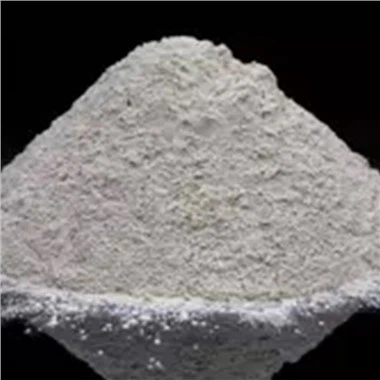
Hey there! I'm a supplier of Polyanionic Cellulose PAC LV, and today I wanna chat about whether this cool stuff can be used in the production of cement slurries.
First off, let's get to know Polyanionic Cellulose PAC LV a bit better. Polyanionic Cellulose PAC LV is a popular additive in the oil - drilling industry. It's known for its excellent properties like high viscosity, good water - retention ability, and strong salt - resistance. But can these properties also make it a star in the cement slurry production?
The Basics of Cement Slurries
Cement slurries are a mixture of cement, water, and often various additives. The main goal of making a good cement slurry is to have proper fluidity during pumping and placement, and then to set and harden into a strong and durable structure. Additives are used to control properties such as setting time, fluid loss, and strength development.
Properties of Polyanionic Cellulose PAC LV and Their Potential in Cement Slurries
Water Retention
One of the key properties of PAC LV is its water - retention ability. In cement slurries, water retention is crucial. If the water in the slurry evaporates too quickly or is absorbed by the surrounding soil or rock, the slurry may not hydrate properly. This can lead to a weak and porous structure. PAC LV can form a kind of film around the cement particles, reducing the loss of water. This helps to keep the slurry in a workable state for a longer time and ensures better hydration of the cement, which in turn can improve the strength and durability of the final cement product.
Viscosity Control
PAC LV can also control the viscosity of the cement slurry. A proper viscosity is necessary for easy pumping of the slurry. If the viscosity is too low, the slurry may not be able to suspend the cement particles evenly, and segregation may occur. On the other hand, if the viscosity is too high, it becomes difficult to pump the slurry, which can lead to blockages in the pipes. PAC LV can adjust the viscosity to an optimal level, making the pumping process smoother and more efficient.
Salt Resistance
In some cases, cement slurries may come into contact with salt - rich environments, such as in offshore drilling or underground saline formations. PAC LV has good salt - resistance. It can maintain its performance even in the presence of high concentrations of salts. This means that in salt - affected areas, using PAC LV in cement slurries can ensure that the slurry properties remain stable and the final cement structure remains strong.
Research and Practical Applications
There have been some studies on using cellulose - based additives in cement slurries. Although focused more on general cellulose derivatives, the properties of PAC LV suggest it could be a great fit. Some field tests have shown that when PAC LV is added to cement slurries in appropriate amounts, it can significantly improve the workability and performance of the slurries. For example, in some construction projects where the soil has a high salt content, adding PAC LV to the cement slurry has helped to prevent early setting and improved the long - term strength of the concrete.
Comparison with Other Polyanionic Cellulose Grades
We also offer Polyanionic Cellulose PAC HV and Polyanionic Cellulose PAC DHV. PAC HV and PAC DHV have higher viscosities compared to PAC LV. In cement slurries, if a higher viscosity is needed, like in situations where the slurry needs to be more thixotropic (thick when at rest and thin when being stirred or pumped), PAC HV or PAC DHV might be more suitable. However, for most general applications where a moderate viscosity and good water - retention are required, PAC LV is a great choice.
Challenges and Considerations
Of course, using PAC LV in cement slurries isn't without challenges. One of the main things is the dosage. If too much PAC LV is added, it can make the slurry too thick, which will make pumping difficult. On the other hand, if the dosage is too low, it may not achieve the desired effects. Another consideration is the compatibility with other additives that are already in the cement slurry. Some additives may react with PAC LV, which can change the properties of the slurry in unexpected ways. So, it's important to do some pre - tests before using PAC LV in large - scale projects.


Conclusion
In conclusion, Polyanionic Cellulose PAC LV has great potential in the production of cement slurries. Its water - retention, viscosity - control, and salt - resistance properties make it a valuable additive. While there are some challenges to overcome, with proper testing and dosage control, it can be a game - changer in improving the quality of cement slurries.
If you're in the business of cement slurry production and are interested in trying out Polyanionic Cellulose PAC LV, I'd love to have a chat with you. We can discuss your specific needs and how PAC LV can fit into your operations. Whether you're working on a small construction project or a large - scale infrastructure development, we're here to provide you with high - quality PAC LV and the support you need.
References
- Some research papers on cellulose - based additives in cementitious materials.
- Industry reports on the use of additives in cement slurries.