Can Polyanionic Cellulose PAC LV be used in the food industry?
As a supplier of Polyanionic Cellulose (PAC) LV, I often get inquiries regarding the potential use of this product in the food industry. This blog post aims to explore whether PAC LV can be incorporated into food applications, considering its properties, safety, and regulatory aspects.
Understanding Polyanionic Cellulose PAC LV
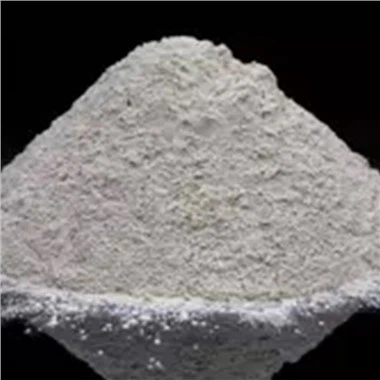
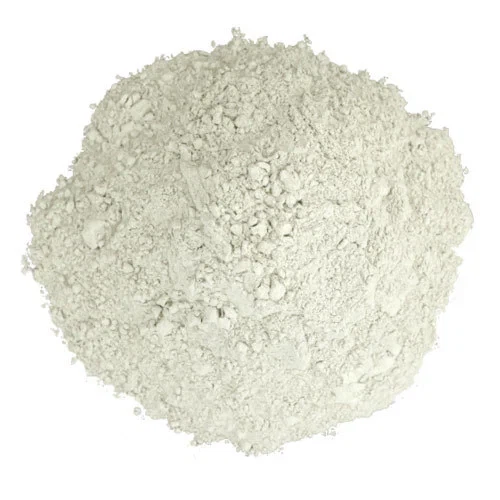
Polyanionic Cellulose PAC LV is a water - soluble polymer derived from cellulose. It is a white or slightly yellowish powder with excellent thickening, stabilizing, and suspending properties. PAC LV is well - known in the oil and gas industry, where it is used as a drilling fluid additive to control fluid loss and improve the rheological properties of drilling mud. There are also other grades of polyanionic cellulose, such as Polyanionic Cellulose PAC DHV and Polyanionic Cellulose PAC HV, which have different viscosity characteristics and are used in specific industrial applications.
Properties Relevant to the Food Industry
One of the key properties of PAC LV is its thickening ability. In the food industry, thickeners are used to improve the texture and consistency of various products. For example, in sauces, dressings, and gravies, a thickener can prevent separation, give a more appealing mouthfeel, and enhance the overall quality of the product. PAC LV can form a viscous solution in water, which makes it a potential candidate for such applications.
It also has good stabilizing properties. Many food products, especially emulsions like mayonnaise and salad dressings, require a stabilizer to prevent the oil and water phases from separating. PAC LV can adsorb at the interface between oil and water droplets, creating a protective layer that helps to maintain the stability of the emulsion over time.

Another important property is its suspending ability. In products such as fruit juices with pulp or suspensions of solid particles in a liquid medium, PAC LV can keep the particles evenly dispersed, preventing them from settling to the bottom.
Safety Considerations
The safety of any substance used in the food industry is of utmost importance. Cellulose and its derivatives are generally considered safe for human consumption. Cellulose is a natural polymer found in the cell walls of plants, and many cellulose - based products have a long history of use in food applications.
However, when it comes to PAC LV, it is essential to ensure that it meets the relevant food - grade standards. The production process of PAC LV for the food industry should be carefully controlled to avoid contamination with harmful substances. The raw materials used should be of high quality, and the manufacturing environment should comply with strict hygiene and safety regulations.
Regulatory authorities around the world have set guidelines and limits for the use of food additives. Before using PAC LV in the food industry, it is necessary to check whether it is approved as a food additive in the target market. In the United States, the Food and Drug Administration (FDA) regulates food additives, and in the European Union, the European Food Safety Authority (EFSA) is responsible for evaluating the safety of food additives.
Regulatory Status
As of now, the regulatory status of PAC LV in the food industry varies from country to country. Some regions may have approved it as a food additive with specific usage levels and conditions, while in others, it may not be on the list of approved substances.
In regions where PAC LV is approved, it is often classified as a thickener, stabilizer, or emulsifier. The maximum allowable concentration in different food products is usually specified to ensure consumer safety. For example, in certain dairy products, the use of PAC LV may be limited to a certain percentage to maintain the product's nutritional and sensory qualities.
Case Studies and Applications
Although PAC LV is more commonly used in the oil and gas industry, there are some potential food applications that can be explored. For instance, in the production of low - fat dairy products, PAC LV can be used as a thickener to replace some of the fat and still achieve a desirable texture. In a low - fat yogurt, adding a small amount of PAC LV can give it a creamy consistency similar to that of full - fat yogurt.
In the confectionery industry, PAC LV can be used in the production of gummy candies. It can act as a gelling agent, helping to form the structure of the gummy and preventing it from sticking to the molds. It can also improve the shelf - life of the candies by reducing moisture loss.
Challenges and Limitations
One of the main challenges in using PAC LV in the food industry is the lack of awareness among food manufacturers. Since it is more well - known in the industrial sector, many food producers may not be familiar with its potential benefits in food applications.
Another challenge is the cost. The production process of food - grade PAC LV may be more expensive compared to some traditional food additives. This can make it less attractive for some cost - conscious food manufacturers, especially those in highly competitive markets.
There may also be some sensory issues. The addition of PAC LV to food products may slightly change the taste or odor of the final product. This requires careful formulation and optimization to ensure that the sensory qualities of the food are not negatively affected.
Conclusion
In conclusion, Polyanionic Cellulose PAC LV has the potential to be used in the food industry due to its thickening, stabilizing, and suspending properties. However, its use is subject to strict safety and regulatory requirements. Before incorporating PAC LV into food products, manufacturers need to ensure that it meets the relevant food - grade standards and is approved for use in the target market.
Despite the challenges and limitations, there are opportunities for PAC LV in the food industry, especially in applications where it can offer unique functional benefits. As a supplier of PAC LV, we are committed to providing high - quality products that meet the needs of the food industry.
If you are a food manufacturer interested in exploring the use of PAC LV in your products, we invite you to contact us for more information and to discuss potential procurement and application opportunities. We can provide samples for testing and offer technical support to help you integrate PAC LV into your production processes.
References
- Food and Agriculture Organization of the United Nations (FAO). "Food Additives Compendium."
- United States Food and Drug Administration (FDA). "Code of Federal Regulations Title 21 - Food and Drugs."
- European Food Safety Authority (EFSA). "Scientific Opinions on Food Additives."