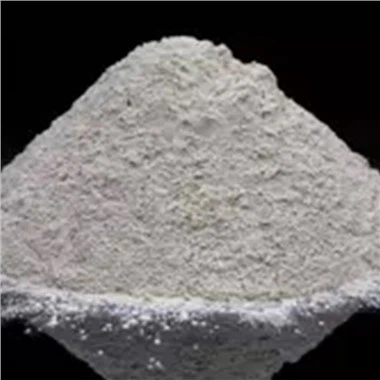
Hey there! I'm a supplier of Polyanionic Cellulose PAC DLV, and today I want to chat about whether this nifty product can be used in slim - hole drilling.
First off, let's get a quick understanding of what slim - hole drilling is. Slim - hole drilling involves using a smaller diameter drill bit compared to conventional drilling methods. It's often used in situations where you want to reduce costs, like in exploration wells or when drilling in areas with limited space. The smaller size means less material is needed for the wellbore, and it can be quicker to set up and operate.
Now, onto Polyanionic Cellulose PAC DLV. This is a type of cellulose derivative that's widely used in the oil and gas industry. You can find more details about it on this Polyanionic Cellulose PAC DLV page. PAC DLV has some great properties that make it a potential candidate for slim - hole drilling.
One of the key requirements in slim - hole drilling is maintaining the stability of the wellbore. The drilling fluid, also known as the mud, plays a crucial role here. PAC DLV can be added to the drilling mud to improve its rheological properties. Rheology is all about how the mud flows and behaves under different conditions. A well - behaved drilling mud helps in carrying the drill cuttings to the surface, preventing them from settling down in the wellbore and causing blockages.
PAC DLV has good water - retention capabilities. In slim - hole drilling, the drilling fluid needs to keep the wellbore walls moist to prevent them from collapsing. If the walls dry out, they can crack and cause instability. The water - retention property of PAC DLV ensures that the mud remains in contact with the wellbore walls, providing a protective layer.
Another important aspect is filtration control. During drilling, the mud filtrates into the formation. Excessive filtration can lead to problems like lost circulation, where the drilling fluid escapes into the surrounding rock. PAC DLV can form a thin, low - permeability filter cake on the wellbore walls. This filter cake reduces the amount of filtrate that enters the formation, helping to maintain the integrity of the wellbore and saving on the cost of drilling fluid.
But it's not all sunshine and rainbows. There are some challenges when considering using PAC DLV in slim - hole drilling. One of the main issues is the small annulus space in slim - hole wells. The annulus is the space between the drill pipe and the wellbore wall. With a smaller annulus, the flow of the drilling fluid can be more restricted. This means that the rheological properties of the mud need to be carefully optimized. If the mud is too thick, it can cause high pressure drops in the annulus, leading to difficulties in pumping and potentially causing well control issues. On the other hand, if it's too thin, it may not be able to carry the drill cuttings effectively.
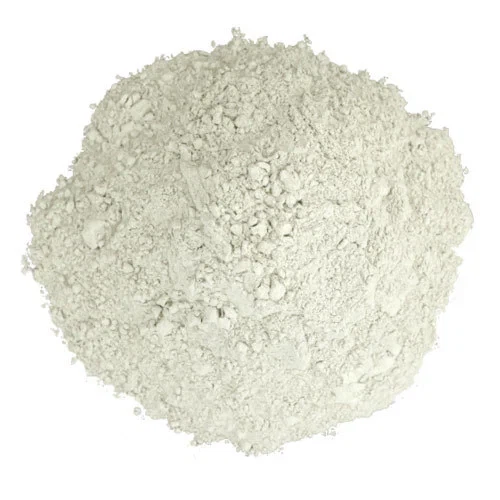

We also need to think about the compatibility of PAC DLV with other additives in the drilling mud. In slim - hole drilling, the mud formulation is often more complex because we need to balance multiple properties. PAC DLV may interact with other polymers, surfactants, or weighting agents in the mud. These interactions can either enhance or degrade the performance of the mud. So, it's essential to conduct thorough laboratory tests before using PAC DLV in a real - world slim - hole drilling operation.
Let's compare PAC DLV with some other types of polyanionic cellulose. For example, Polyanionic Cellulose PAC HV has a higher viscosity compared to PAC DLV. In some cases, the higher viscosity of PAC HV might be more suitable for certain slim - hole drilling applications where better cuttings - carrying capacity is needed. However, the higher viscosity can also lead to higher pumping pressures, which might not be ideal for wells with limited pumping capacity.
Polyanionic Cellulose PAC DHV has an even higher viscosity than PAC HV. It can be used in situations where extreme cuttings - suspension is required, but again, the high viscosity can pose challenges in terms of flow and pumping. PAC DLV strikes a balance. It has a relatively lower viscosity compared to PAC HV and PAC DHV, which can be beneficial in slim - hole wells with restricted annulus space.
In field applications, there have been some successful cases of using PAC DLV in slim - hole drilling. For instance, in some shallow exploration wells, where the formation pressure is relatively low and the wellbore diameter is small, PAC DLV - based drilling muds have been used to effectively control the wellbore stability and filtration. However, these applications often required careful monitoring and adjustment of the mud properties.
To sum it up, PAC DLV can definitely be used in slim - hole drilling, but it's not a one - size - fits - all solution. We need to take into account the specific conditions of each well, such as the formation type, well depth, and available pumping equipment. Thorough laboratory testing and on - site monitoring are essential to ensure the successful use of PAC DLV in slim - hole drilling.
If you're in the oil and gas industry and are interested in using PAC DLV for your slim - hole drilling projects, I'd love to have a chat with you. We can discuss your specific requirements and see how PAC DLV can fit into your drilling operations. Don't hesitate to reach out for more information and let's explore the possibilities together.
References
- Oil and Gas Drilling Fluid Technology Handbook
- Journal of Petroleum Science and Engineering articles on slim - hole drilling and drilling fluid additives