

Hey there! As a sucralose supplier, I often get asked a bunch of questions about where and how to use sucralose. One of the hot - button queries I hear quite a bit is, "Can I use sucralose in jams and jellies?" Well, let's dig into this topic and find out.
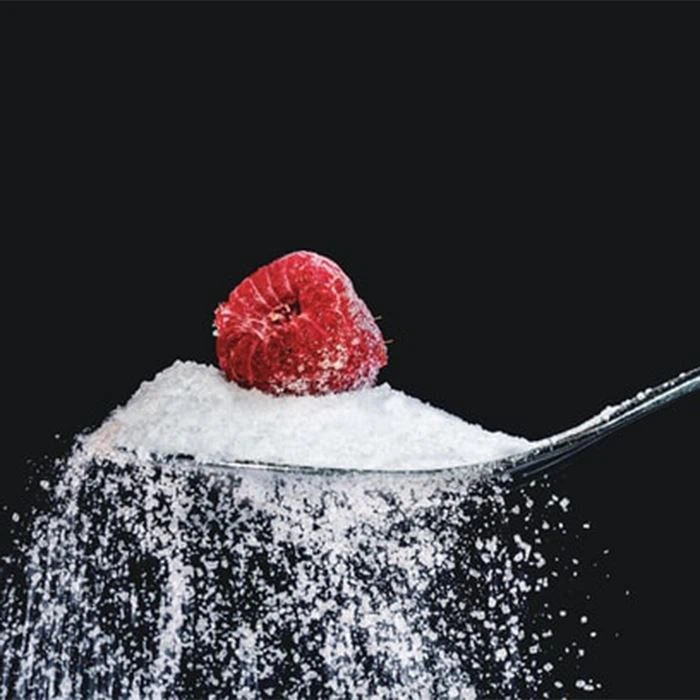
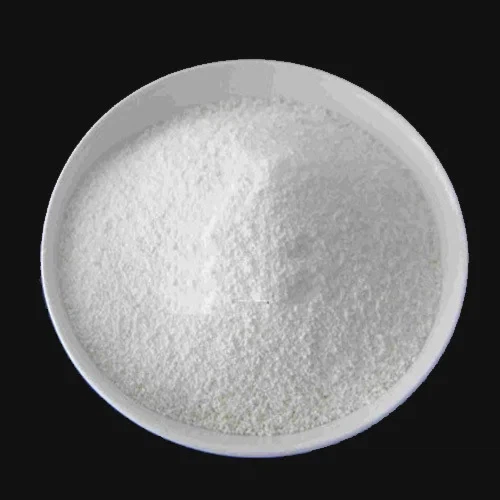
First off, let's understand what sucralose is. Sucralose is a popular artificial sweetener that's known for being super sweet - like, about 400 - 800 times sweeter than regular sugar! It's got the brand - name Splenda, and it's got the E - number E955, which you can learn more about Sucralose E955. It's calorie - free and doesn't spike your blood sugar levels, making it a go - to for people watching their calorie intake or those with diabetes. Check out Sucralose Safe for Diabetics for more info on that.
Now, back to jams and jellies. Traditionally, these sweet spreads are made with loads of sugar. Sugar plays multiple roles here. It not only sweetens the jam or jelly but also acts as a preservative and helps with the gelling process. When the sugar is heated with the fruit and pectin, it creates a thick, spreadable consistency that we all love.
But what if you want to cut down on the sugar? That's where sucralose comes in. Using sucralose in jams and jellies has both pros and cons, so let's break them down.
The Pros
- Low - Calorie Option: If you're on a diet or just trying to watch your sugar intake, using sucralose in your jams and jellies is a no - brainer. You can still enjoy the sweet taste of your favorite spreads without all the extra calories. For those following a Dietary Sucralose plan, this is a great way to stick to it while still having something delicious on your toast.
- Blood Sugar Control: As I mentioned earlier, sucralose doesn't affect blood sugar levels. So, for people with diabetes, having jam or jelly made with sucralose can be a much safer option compared to the regular, sugar - loaded ones.
- Sweetness: Sucralose is incredibly sweet, so you don't need to use much of it. A little bit goes a long way, which means you can achieve the same level of sweetness as you would with a large amount of sugar, but with far fewer calories.
The Cons
- Lack of Preservative Properties: Sugar acts as a preservative in jams and jellies. It helps prevent the growth of bacteria and mold by reducing the water activity in the spread. Sucralose doesn't have these preservative properties, so you might need to add other preservatives or store your sucralose - sweetened jams and jellies in the fridge and consume them more quickly.
- Gelling Issues: Sugar is crucial for the gelling process. When heated with pectin, it forms a gel - like structure that gives jams and jellies their thick consistency. Sucralose doesn't interact with pectin in the same way, so you might need to experiment with different gelling agents or adjust the recipe to get the right texture.
So, can you use sucralose in jams and jellies? The answer is yes, but you'll need to make some adjustments to your recipe. Here's a basic guide on how to do it:
Making Sucralose - Sweetened Jams and Jellies
- Choose Your Fruit: Start with fresh, ripe fruit. Wash and prepare it as you normally would for making jam or jelly.
- Determine the Sweetness: Since sucralose is so much sweeter than sugar, you'll need to use a very small amount. A general rule of thumb is to use about 1/4 to 1/2 teaspoon of sucralose for every cup of fruit, but you can adjust this based on your taste preferences.
- Add Pectin: To help with the gelling process, you'll likely need to use more pectin than you would in a regular sugar - based recipe. Follow the instructions on the pectin package for the correct amount.
- Preservatives: If you're worried about the lack of preservative properties in sucralose, you can add a small amount of lemon juice or citric acid. These natural acids can help extend the shelf life of your jam or jelly.
- Cook the Mixture: Combine the fruit, sucralose, pectin, and any other ingredients in a pot. Bring it to a boil over medium - high heat, stirring constantly. Once it boils, reduce the heat and let it simmer for a few minutes until it thickens.
- Jar and Store: Pour the hot jam or jelly into clean, sterilized jars. Let it cool to room temperature, then refrigerate.
Another thing to keep in mind is that different brands of sucralose might have slightly different properties. Some might be mixed with other ingredients to make them easier to measure or use. So, it's a good idea to do a small test batch first to see how it turns out.
In conclusion, using sucralose in jams and jellies is definitely possible, but it requires a bit of experimentation and adjustment. It's a great option for those looking for a low - calorie, blood - sugar - friendly alternative to traditional jams and jellies.
If you're interested in using sucralose for your jam and jelly production, whether you're a home cook or a small - scale food manufacturer, I'd love to chat. I can provide you with high - quality sucralose and offer some tips on how to get the best results in your recipes. Feel free to reach out and start a conversation about your procurement needs.
References
- "Understanding Sweeteners" - Food Science Journal
- "The Role of Sugar in Jam and Jelly Making" - Culinary Arts Magazine
- "Sucralose: A Review of Its Safety and Use" - Nutrition Research Report


