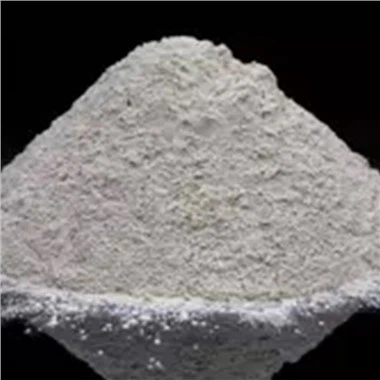
Hey there! As a supplier of CMC Cellulose, I often get asked if this versatile product can be used in the rubber industry. Well, you bet it can! In this blog post, I'm gonna break down how CMC Cellulose finds its place in the rubber world, its benefits, and why you might want to consider it for your rubber - related projects.
First off, let's understand what CMC Cellulose is. CMC stands for Carboxymethyl Cellulose. It's a cellulose derivative that's made by chemically modifying cellulose, which is a natural polymer found in the cell walls of plants. There are different types, like Carboxymethyl Cellulose E466, Carboxymethyl Cellulose Sodium, and Food Grade Granular CMC. While these are often associated with the food industry, their properties make them quite useful in the rubber industry too.
How CMC Cellulose is Used in the Rubber Industry
Reinforcement
One of the main uses of CMC Cellulose in the rubber industry is for reinforcement. Rubber products need to have good mechanical properties like strength, tear resistance, and abrasion resistance. CMC Cellulose can act as a filler and reinforcement agent. When added to rubber compounds, it forms a network within the rubber matrix. This network helps distribute stress more evenly across the rubber, which in turn improves its overall strength. For example, in tires, better reinforcement means longer - lasting treads and improved performance on the road.
Viscosity Control
Rubber compounds need to have the right viscosity during the manufacturing process. If the viscosity is too low, the rubber might not hold its shape properly during molding. On the other hand, if it's too high, it can be difficult to process. CMC Cellulose can be used as a thickening agent. It increases the viscosity of the rubber compound in a controlled way. This makes it easier to handle the rubber during processes like extrusion, calendering, and molding. It also helps in ensuring uniform distribution of other additives in the rubber compound.
Water Resistance
Some rubber products need to have good water - resistance properties. CMC Cellulose can form a protective layer on the surface of the rubber. This layer acts as a barrier, preventing water from penetrating the rubber. In applications like rubber gaskets used in plumbing or automotive parts, water resistance is crucial to prevent corrosion and damage over time.
Compatibility with Other Additives
CMC Cellulose is compatible with many other additives commonly used in the rubber industry. It can work well with vulcanizing agents, accelerators, and antioxidants. This compatibility allows for the formulation of complex rubber compounds with enhanced properties. For example, when combined with antioxidants, CMC - containing rubber compounds can have better resistance to aging and degradation.
Benefits of Using CMC Cellulose in the Rubber Industry
Cost - Effectiveness
Compared to some other reinforcement and additive materials, CMC Cellulose is relatively inexpensive. It can provide similar or even better performance in some aspects at a lower cost. This makes it an attractive option for rubber manufacturers looking to reduce production costs without sacrificing quality.
Environmental Friendliness
CMC Cellulose is derived from natural cellulose, which is a renewable resource. Using it in the rubber industry can contribute to more sustainable manufacturing processes. It's also biodegradable, which means that rubber products containing CMC Cellulose are more environmentally friendly at the end of their life cycle.
Improved Processing
As mentioned earlier, CMC Cellulose helps in controlling the viscosity of rubber compounds. This leads to smoother and more efficient manufacturing processes. Less time is wasted on dealing with processing issues, and the overall productivity of the rubber manufacturing plant can be increased.
Case Studies
Let's take a look at a couple of real - world examples of how CMC Cellulose is being used in the rubber industry.
Rubber Seals
A company that manufactures rubber seals for industrial equipment started using CMC Cellulose in their production process. They noticed a significant improvement in the sealing performance of their products. The CMC - reinforced rubber seals had better resistance to compression set, which means they maintained their shape and sealing ability over a longer period. This led to fewer product failures and increased customer satisfaction.
Rubber Hoses
In the production of rubber hoses, a manufacturer added CMC Cellulose to improve the abrasion resistance of the hoses. The hoses were used in applications where they were constantly in contact with rough surfaces. The addition of CMC Cellulose made the hoses more durable, reducing the frequency of replacements. This not only saved costs for the end - users but also improved the reputation of the hose manufacturer.
Challenges and Considerations
Of course, like any material, there are some challenges and considerations when using CMC Cellulose in the rubber industry.
Dispersion
Ensuring proper dispersion of CMC Cellulose in the rubber compound can be a challenge. If it's not dispersed evenly, it can lead to inconsistent properties in the final rubber product. Special mixing techniques and equipment might be required to achieve uniform dispersion.
Moisture Absorption
CMC Cellulose has a tendency to absorb moisture. If the rubber compound is exposed to high - humidity conditions during storage or processing, the absorbed moisture can affect the properties of the rubber. Manufacturers need to take precautions to store and handle CMC - containing rubber compounds properly.
Conclusion
So, to sum it up, CMC Cellulose can definitely be used in the rubber industry. Its ability to reinforce rubber, control viscosity, improve water resistance, and work well with other additives makes it a valuable addition to rubber compounds. The benefits of cost - effectiveness, environmental friendliness, and improved processing are just icing on the cake.
If you're in the rubber industry and looking for ways to enhance the performance of your products, reduce costs, or make your manufacturing processes more sustainable, I highly recommend considering CMC Cellulose. Whether you're making tires, rubber seals, hoses, or any other rubber products, CMC Cellulose could be the solution you've been looking for.


If you're interested in learning more or want to start a procurement discussion, feel free to reach out. I'm here to help you find the right CMC Cellulose product for your specific needs.
References
- "Handbook of Rubber Technology" by Maurice Morton
- "Rubber Compounding: Principles, Materials, and Techniques" by Werner Hofmann
- Research papers on the use of cellulose derivatives in rubber compounds from various scientific journals.