Hey there! As a supplier of CMC Carboxymethyl Cellulose, I often get asked if this nifty product can be used in water treatment. Well, let's dive right into it and find out!
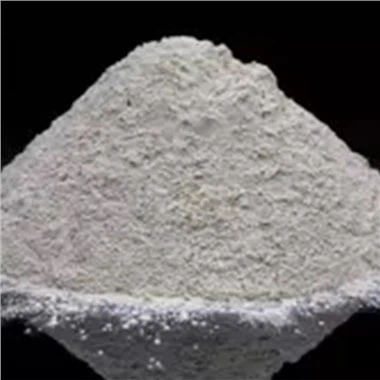
First off, let's quickly understand what CMC Carboxymethyl Cellulose is. CMC Carboxymethyl Cellulose is a water-soluble polymer derived from cellulose, which is a natural polymer found in the cell walls of plants. It's widely used in various industries, such as food, pharmaceuticals, and cosmetics, thanks to its thickening, stabilizing, and emulsifying properties. But can it work its magic in water treatment?
How CMC Carboxymethyl Cellulose Works in Water Treatment
One of the key aspects of water treatment is the removal of impurities and contaminants. CMC can play a role in this process due to its unique chemical structure. It has carboxymethyl groups attached to the cellulose backbone, which gives it anionic properties. These anionic groups can interact with positively charged particles in water, such as heavy metal ions and some types of suspended solids.
Flocculation and Sedimentation
When CMC is added to water, it can act as a flocculant. Flocculation is the process of clumping together small particles in water to form larger aggregates called flocs. The anionic CMC molecules attract positively charged particles, causing them to come together and form these flocs. Once the flocs are formed, they become heavier and settle to the bottom of the water tank or treatment vessel more easily. This sedimentation process helps in the removal of suspended solids from the water.
For example, in industrial wastewater containing metal ions like copper or lead, CMC can be added to form flocs with these metal ions. The flocs can then be removed through sedimentation or filtration, reducing the concentration of heavy metals in the water.
Adsorption
Another way CMC can help in water treatment is through adsorption. Adsorption is the process by which molecules adhere to the surface of a solid or liquid. CMC can adsorb certain organic contaminants in water. The long-chain structure of CMC provides a large surface area for adsorption to occur. Organic pollutants such as dyes, pesticides, and some types of oils can be adsorbed onto the surface of CMC molecules. This helps in reducing the concentration of these pollutants in the water.
Advantages of Using CMC Carboxymethyl Cellulose in Water Treatment
Biodegradability
One of the major advantages of using CMC in water treatment is its biodegradability. Unlike some synthetic polymers used in water treatment, CMC is derived from natural cellulose, which means it can be broken down by microorganisms in the environment. This makes it an environmentally friendly option for water treatment, as it doesn't contribute to long-term pollution.
Non-toxicity
CMC is generally considered non-toxic. It has been approved for use in the food industry, which is a testament to its safety. When used in water treatment, it doesn't introduce harmful substances into the water. This is especially important when the treated water is intended for human consumption or for use in sensitive ecosystems.


Cost-effectiveness
Compared to some other water treatment chemicals, CMC can be a cost-effective option. It is relatively inexpensive to produce, and a small amount can go a long way in achieving the desired water treatment results. This makes it an attractive choice for both large-scale industrial water treatment plants and small-scale applications.
Limitations of Using CMC Carboxymethyl Cellulose in Water Treatment
pH Sensitivity
The performance of CMC in water treatment can be affected by the pH of the water. It works best in a slightly acidic to neutral pH range. In highly acidic or alkaline conditions, the anionic properties of CMC can be altered, reducing its effectiveness as a flocculant or adsorbent. So, when using CMC in water treatment, it's important to monitor and adjust the pH of the water if necessary.
Temperature Sensitivity
Temperature can also have an impact on the performance of CMC in water treatment. At very high temperatures, the viscosity of CMC solutions can decrease, which may affect its flocculation and adsorption capabilities. Additionally, high temperatures can also accelerate the degradation of CMC, reducing its effectiveness over time.
Applications of CMC Carboxymethyl Cellulose in Different Water Treatment Scenarios
Drinking Water Treatment
In drinking water treatment plants, CMC can be used as a supplementary treatment chemical. It can help in the removal of residual suspended solids and some organic contaminants after the primary treatment processes. This can improve the clarity and quality of the drinking water, making it safer for consumption.
Industrial Wastewater Treatment
As mentioned earlier, CMC can be used in industrial wastewater treatment to remove heavy metals and organic pollutants. Industries such as mining, electroplating, and textile manufacturing generate wastewater containing high levels of contaminants. CMC can be used in these industries to treat their wastewater before it is discharged into the environment.
Aquaculture
In aquaculture, maintaining good water quality is crucial for the health and growth of fish and other aquatic organisms. CMC can be used to treat the water in aquaculture ponds or tanks. It can help in removing excess nutrients, such as ammonia and nitrates, as well as suspended solids. This can prevent the growth of harmful algae and improve the overall water quality in the aquaculture system.
Comparison with Other Water Treatment Chemicals
Polyacrylamide
Polyacrylamide is a commonly used synthetic flocculant in water treatment. While it is very effective in flocculation, it is not biodegradable. CMC, on the other hand, offers a more environmentally friendly alternative. Additionally, polyacrylamide can be toxic in some forms, especially when it contains residual acrylamide monomers. CMC is non-toxic, making it a safer option for water treatment.
Alum
Alum (aluminum sulfate) is another traditional water treatment chemical used for flocculation. It is effective in removing suspended solids, but it can increase the aluminum content in the water. Excessive aluminum in drinking water has been linked to health issues such as Alzheimer's disease. CMC doesn't introduce aluminum into the water, making it a more health-conscious choice.
Considerations for Using CMC Carboxymethyl Cellulose in Water Treatment
Dosage
The dosage of CMC used in water treatment is crucial. Using too little CMC may not achieve the desired water treatment results, while using too much can lead to increased costs and may even have a negative impact on the water quality. The optimal dosage depends on various factors such as the type and concentration of contaminants in the water, the pH of the water, and the temperature. It's important to conduct small-scale tests to determine the appropriate dosage for a specific water treatment application.
Compatibility with Other Chemicals
When using CMC in water treatment, it's important to consider its compatibility with other chemicals that may be used in the treatment process. Some chemicals may react with CMC and reduce its effectiveness. For example, strong oxidizing agents can break down the CMC molecules. So, it's necessary to ensure that all the chemicals used in the water treatment system are compatible with each other.
Conclusion
So, can CMC Carboxymethyl Cellulose be used in water treatment? The answer is a resounding yes! It has the potential to be a valuable tool in the water treatment industry, thanks to its flocculation, adsorption, biodegradability, and non-toxicity. While it has some limitations, such as pH and temperature sensitivity, these can be managed with proper monitoring and control.
If you're in the water treatment business or looking for an effective and environmentally friendly solution for your water treatment needs, CMC Carboxymethyl Cellulose could be the answer. Whether you're treating drinking water, industrial wastewater, or aquaculture water, CMC can help you achieve better water quality.
If you're interested in learning more about our Carboxymethyl Cellulose Sodium or Sodium Carboxymethyl Cellulose products and how they can be used in your water treatment applications, feel free to reach out. We're here to discuss your specific requirements and provide you with the best solutions for your water treatment needs. Let's work together to make our water cleaner and safer!
References
- "Water Treatment Chemicals: A Guide to the Theory and Practice of Their Use in Water and Wastewater Treatment" by David W. Hendricks
- "Cellulose Derivatives: Properties and Applications" edited by Arthur J. Rosenthal
- Research papers on the use of CMC in water treatment from scientific journals such as "Journal of Environmental Management" and "Water Research"