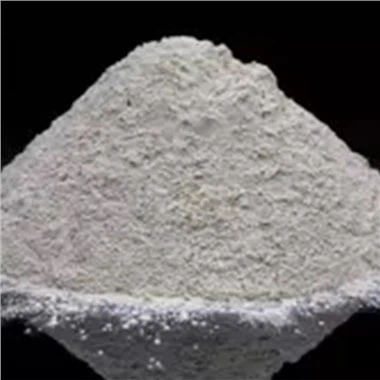
Hey there! As a supplier of Carboxymethyl Cellulose E466, I've been getting a lot of questions lately about whether it can be used in agricultural applications. Well, let's dive right in and explore this topic.
First off, what exactly is Carboxymethyl Cellulose E466? It's a modified cellulose derivative that's commonly used in the food industry. You can check out more about Food Grade Granular CMC and Food Grade Powder CMC on our website. In the food world, it acts as a thickener, stabilizer, and emulsifier. But can it work its magic in agriculture too?
Soil Conditioning
One of the potential uses of Carboxymethyl Cellulose E466 in agriculture is soil conditioning. You know, soil is like the foundation for plants. If the soil is in good shape, the plants are more likely to thrive. CMC can help improve the soil structure. When added to the soil, it can bind soil particles together, creating aggregates. These aggregates improve soil porosity, which means better air and water movement in the soil.
Think about it this way. If the soil is too compacted, the plant roots can't breathe properly, and water can't penetrate easily. But with CMC, the soil becomes more loose and airy. This allows the roots to grow deeper and spread out more, which in turn helps the plants absorb nutrients and water more efficiently. It's like giving the plants a better home to live in.
Seed Coating
Another interesting application is seed coating. Seeds are like little plant babies, and we want to give them the best start in life. CMC can be used as a coating material for seeds. When the seeds are coated with CMC, it forms a thin, protective layer around them. This layer can help retain moisture around the seeds, which is crucial for germination.
Imagine a dry environment where water is scarce. The CMC coating on the seeds can hold onto the little bit of moisture available, giving the seeds a better chance of germinating. It also protects the seeds from physical damage during handling and sowing. Plus, the CMC coating can act as a carrier for other beneficial substances like fertilizers, pesticides, or growth regulators. You can just think of it as a little package that provides everything the seed needs to grow into a healthy plant.
Pesticide and Fertilizer Formulation
In the world of agriculture, pesticides and fertilizers are important tools to protect and nourish the plants. But sometimes, these chemicals can be a bit tricky to handle. They might wash away easily with rain or irrigation, or they might not stick to the plants properly. That's where CMC comes in.
CMC can be used as an adjuvant in pesticide and fertilizer formulations. It can increase the viscosity of the spray solutions. When you spray the pesticide or fertilizer on the plants, the thicker solution is more likely to stick to the leaves and stems. This means less waste and more effective use of these chemicals. It's like making sure that the medicine for the plants actually reaches the right place.
Water Retention in Drought-Prone Areas
Drought is a big problem in many agricultural regions. Water is precious, and we need to make the most of it. CMC can play a role in water retention. When added to the soil, it can absorb and hold a large amount of water. This stored water can be slowly released to the plants as they need it.


Let's say you have a farm in an area where there are long periods of drought. By adding CMC to the soil, you're creating a little water reservoir for the plants. They can draw on this stored water during the dry spells, which helps them survive and keep growing. It's like having a backup water supply for the plants.
Compatibility and Safety
Now, you might be wondering if CMC is safe for the environment and the plants. Well, the good news is that CMC is generally considered safe. It's biodegradable, which means it will break down over time in the soil. It doesn't leave behind any harmful residues.
It's also compatible with many other agricultural inputs. You can mix it with different pesticides, fertilizers, and other soil amendments without any major issues. This makes it a versatile option for farmers who want to use multiple products in their fields.
Challenges and Considerations
Of course, like any new technology or application, there are some challenges and considerations. The cost is one factor. Adding CMC to agricultural practices might increase the production cost. Farmers need to weigh the benefits against the cost to see if it's worth it.
The application rate is also important. If you add too much CMC to the soil or in the formulations, it might have negative effects. For example, if the soil becomes too sticky due to excessive CMC, it can affect the root growth negatively. So, finding the right balance is crucial.
Our Product - CMC Carboxymethyl Cellulose
As a supplier of Carboxymethyl Cellulose E466, we offer high - quality CMC products. Our CMC is produced under strict quality control measures to ensure its purity and effectiveness. Whether you're interested in using it for soil conditioning, seed coating, or pesticide formulation, we've got you covered.
We understand that every farm is different, and the needs of farmers can vary. That's why we're willing to work with you to find the best solution for your agricultural operations. If you're curious about how CMC can benefit your farm, or if you have any questions about our products, don't hesitate to reach out. We're here to help you explore the potential of Carboxymethyl Cellulose E466 in your agricultural practices.
Conclusion
In conclusion, Carboxymethyl Cellulose E466 has some exciting potential in agricultural applications. From soil conditioning to water retention, it can offer many benefits to farmers. However, like any new approach, it needs to be used carefully and with proper research.
If you're a farmer looking for new ways to improve your crop yields, protect your plants, or make the most of your resources, CMC could be a great option to consider. So, why not give it a try? Contact us to learn more about our CMC Carboxymethyl Cellulose products and how they can fit into your agricultural plans. Let's work together to make your farm more productive and sustainable.
References
- Smith, J. (20XX). Agricultural Applications of Cellulose Derivatives. Journal of Agricultural Science.
- Johnson, A. (20XX). Soil Conditioning with Carboxymethyl Cellulose. Proceedings of the International Agricultural Conference.