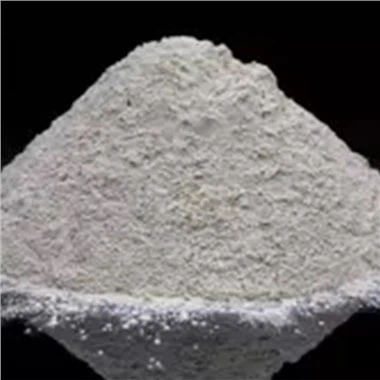
As a supplier of Food Grade Granular CMC, I often encounter inquiries from customers who are curious about natural alternatives to this popular food additive. Carboxymethyl cellulose (CMC), also known as cellulose gum, is a widely used ingredient in the food industry due to its excellent thickening, stabilizing, and emulsifying properties. But with the growing consumer demand for natural and clean-label products, it's important to explore what options are available as alternatives to Food Grade Granular CMC.
Understanding Food Grade Granular CMC
Before delving into the alternatives, let's briefly understand what Food Grade Granular CMC is. CMC is a cellulose derivative that is chemically modified to enhance its solubility and functionality in various food applications. Food Grade Granular CMC is specifically formulated for use in the food industry, meeting strict safety and quality standards. It is commonly used in products such as dairy products, baked goods, sauces, and beverages to improve texture, prevent ingredient separation, and extend shelf life.
The Appeal of Natural Alternatives
The demand for natural alternatives to Food Grade Granular CMC stems from several factors. Consumers are becoming more health - conscious and prefer products made with ingredients that are minimally processed and sourced from natural origins. Additionally, some regulatory bodies are placing more emphasis on clean - label requirements, which encourage the use of natural ingredients. Natural alternatives can also appeal to niche markets, such as those following specific diets like vegan, paleo, or gluten - free.
Natural Alternatives to Food Grade Granular CMC
1. Agar - Agar
Agar - agar is a gelatinous substance derived from red algae. It has been used for centuries in Asian cuisine and is now gaining popularity in Western food products. Agar - agar has strong gelling properties, similar to CMC, and can be used to thicken and stabilize food products. It is a natural, vegetarian, and vegan alternative that is rich in dietary fiber. In dairy products, agar - agar can be used to create a smooth and creamy texture, similar to what CMC achieves. However, it may require different processing conditions, such as heating and cooling, to form a gel.


2. Guar Gum
Guar gum is extracted from the seeds of the guar plant. It is a natural thickener and stabilizer that is commonly used in the food industry. Guar gum has excellent water - binding properties, which help to prevent syneresis (liquid separation) in food products. It can be used in a variety of applications, including ice cream, salad dressings, and baked goods. Guar gum is a cost - effective alternative to CMC, but it may have a slightly different flavor profile and may require careful formulation to achieve the same level of functionality as CMC.
3. Xanthan Gum
Xanthan gum is produced by the fermentation of carbohydrates by the bacterium Xanthomonas campestris. While it is a fermented product, it is considered a natural ingredient in the food industry. Xanthan gum has remarkable thickening and stabilizing properties. It can create a viscous, gel - like texture in food products and is highly effective at preventing ingredient separation. In salad dressings, xanthan gum can provide a smooth and consistent texture, similar to what CMC offers. However, some consumers may be sensitive to fermented ingredients, and there are also concerns about the potential for over - thickening if not used correctly.
4. Pectin
Pectin is a polysaccharide found in the cell walls of plants, especially in fruits such as apples and citrus fruits. It is commonly used as a gelling agent in jams, jellies, and marmalades. Pectin can also be used in other food products to thicken and stabilize. It has the advantage of being a natural, plant - based ingredient that is rich in dietary fiber. In baked goods, pectin can help to retain moisture and improve the texture. However, its gelling properties are highly dependent on factors such as pH, sugar content, and temperature, which may require more precise formulation compared to CMC.
Comparing the Performance of Natural Alternatives with Food Grade Granular CMC
While natural alternatives offer many benefits, they also have some limitations when compared to Food Grade Granular CMC. CMC is known for its consistent performance across different food systems. It has a wide range of solubility and can function in various pH and temperature conditions. In contrast, natural alternatives may be more sensitive to processing conditions. For example, agar - agar requires specific heating and cooling cycles to form a gel, and pectin's performance is highly dependent on the pH and sugar content of the food product.
When to Use Natural Alternatives vs. Food Grade Granular CMC
The decision to use a natural alternative or Food Grade Granular CMC depends on several factors. If the product is targeting a niche market with a strong preference for natural ingredients, then a natural alternative may be the better choice. For example, a vegan ice cream brand may opt for agar - agar or xanthan gum to meet the dietary requirements of its customers. On the other hand, if the product requires consistent performance across a wide range of processing conditions and has a large - scale production, Food Grade Granular CMC may be more suitable. CMC is well - studied and has a long - standing track record in the food industry, which can provide confidence in its performance and safety.
Conclusion
As a supplier of Food Grade Granular CMC, I recognize the importance of staying informed about natural alternatives. While there are several natural alternatives to CMC that offer unique benefits, each has its own set of challenges and limitations. Food manufacturers need to carefully evaluate their product requirements, processing conditions, and target market when choosing between Food Grade Granular CMC and natural alternatives.
Whether you are interested in using Food Grade Granular CMC for its proven performance or exploring natural alternatives for a clean - label product, I am here to assist you. Our team of experts can provide in - depth knowledge about CMC and its alternatives, and help you find the best solution for your food products. If you are considering a procurement of Food Grade Granular CMC or need more information about our products, please reach out to us to start a discussion. We are committed to providing high - quality products and excellent customer service.
References
- "Food Hydrocolloids: Gums and Stabilizers in the Food Industry" - A comprehensive book on the use of thickeners and stabilizers in food.
- "Handbook of Food Additives" - Provides detailed information on various food additives, including CMC and its alternatives.
- Scientific research papers on the properties and applications of natural thickeners and stabilizers in food products.