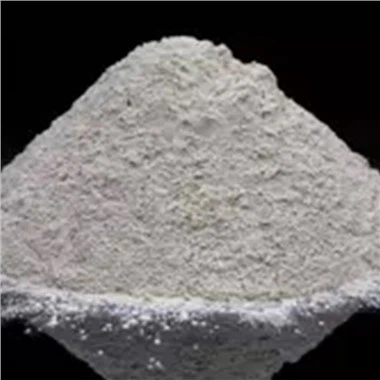
Sucralose, a high - intensity artificial sweetener, has gained significant popularity in the food, beverage, and pharmaceutical industries due to its zero - calorie nature and high sweetness level. As a sucralose supplier, I am always keenly interested in the latest research progress on this remarkable compound. In this blog, I will delve into the current research landscape of sucralose, exploring its safety, health effects, and emerging applications.
Safety Research
One of the most crucial aspects of sucralose research is its safety. Extensive studies have been conducted over the years to evaluate the potential health risks associated with its consumption. The U.S. Food and Drug Administration (FDA) approved sucralose for use in 1998 after reviewing more than 110 safety studies. These studies covered a wide range of aspects, including acute, sub - chronic, and chronic toxicity, mutagenicity, carcinogenicity, and reproductive and developmental toxicity.
A large number of long - term animal studies have shown no evidence of adverse effects on major organs, growth, or reproduction at normal consumption levels. For example, in a series of chronic feeding studies on rats and mice, no significant differences were found in body weight, food consumption, or organ weights between the experimental groups exposed to sucralose and the control groups.
Human studies also support the safety of sucralose. A meta - analysis of multiple human trials published in the Journal of Toxicology and Environmental Health concluded that sucralose is safe for human consumption at the currently approved levels. It is rapidly excreted from the body unchanged, which means it does not accumulate and is less likely to cause long - term health problems.
Health Effects
Beyond safety, researchers are also exploring the potential health effects of sucralose. One area of interest is its impact on blood sugar and insulin levels. Since sucralose is non - caloric and does not raise blood glucose levels, it is often recommended for people with diabetes.
A study in the Diabetes Care journal investigated the effects of sucralose on glycemic control in patients with type 2 diabetes. The results showed that consuming sucralose did not cause any significant changes in fasting blood glucose, post - prandial blood glucose, or insulin levels. This indicates that sucralose can be a suitable sugar substitute for diabetics, allowing them to enjoy sweet - tasting foods and beverages without compromising their blood sugar management.
Another area of research is the relationship between sucralose and gut microbiota. Some studies have suggested that artificial sweeteners, including sucralose, may alter the composition of the gut microbiome. However, the results are still inconsistent. A few animal studies have reported changes in the gut microbiota after sucralose consumption, but these findings have not been consistently replicated in human studies. More research is needed to fully understand the impact of sucralose on the gut microbiome and its potential implications for overall health.
Emerging Applications
In addition to its traditional use in food and beverages, sucralose is finding new applications in various industries. In the pharmaceutical field, sucralose is used as a sweetening agent in oral medications to improve their taste, especially for pediatric and geriatric patients who may have difficulty swallowing bitter - tasting drugs. Our Pharmaceutical Sucralose Powder is specifically designed to meet the strict quality and purity requirements of the pharmaceutical industry.


In the dietary supplement industry, sucralose is used to enhance the flavor of products such as protein shakes, meal replacement bars, and vitamin tablets. Dietary Sucralose provides a low - calorie alternative to sugar, making these supplements more appealing to consumers who are watching their calorie intake.
The food industry is also constantly exploring new ways to use sucralose. For example, Granulated Sucralose can be used in baking and cooking as a direct replacement for sugar. It has similar physical properties to sugar, such as solubility and hygroscopicity, which allows it to be used in a wide range of recipes without significantly altering the texture or taste of the final product.
Market Trends and Future Outlook
The global market for sucralose has been growing steadily in recent years, driven by the increasing demand for low - calorie and sugar - free products. Consumers are becoming more health - conscious and are actively seeking alternatives to traditional sugar. As a result, the food, beverage, and pharmaceutical industries are increasingly incorporating sucralose into their product portfolios.
Looking ahead, the research on sucralose is likely to continue expanding. Future studies may focus on more in - depth investigations of its long - term health effects, especially in relation to emerging health concerns such as obesity and metabolic syndrome. There may also be more research on optimizing the production process of sucralose to improve its quality and reduce costs.
Conclusion
As a sucralose supplier, I am excited about the continuous research progress on sucralose. The existing studies have firmly established its safety, and its potential health benefits, especially for diabetics, are becoming more evident. The emerging applications in various industries also present new opportunities for the growth of the sucralose market.
If you are interested in purchasing high - quality sucralose products for your business, whether it is for food, beverage, pharmaceutical, or dietary supplement applications, we are here to provide you with the best solutions. We have a wide range of sucralose products, including Pharmaceutical Sucralose Powder, Granulated Sucralose, and Dietary Sucralose. Please feel free to contact us to start a procurement discussion and explore how our sucralose products can meet your specific needs.
References
- FDA. "Sucralose: A High - Intensity Sweetener for Food Use." U.S. Food and Drug Administration.
- Mattes, R. D., & Popkin, B. M. "Nonnutritive sweetener consumption in humans: effects on appetite and food intake and their putative mechanisms." American Journal of Clinical Nutrition, 2009.
- Suez, J., et al. "Artificial sweeteners induce glucose intolerance by altering the gut microbiota." Nature, 2014.
- Taylor, R. W., et al. "The safety of sucralose: A review of the literature." Journal of Toxicology and Environmental Health, Part B: Critical Reviews, 2000.