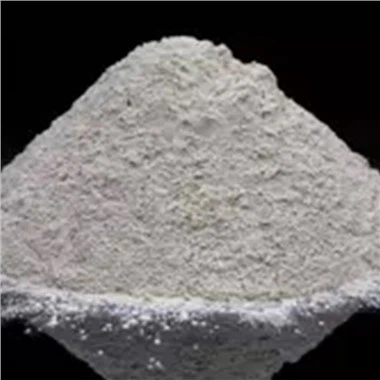
Hey there! As a supplier of CMC Carboxymethyl Cellulose, I've been getting a lot of questions about the proper storage conditions for this versatile product. So, I thought I'd put together this blog post to share some insights and tips on how to store CMC Carboxymethyl Cellulose effectively.
First off, let's talk about what CMC Carboxymethyl Cellulose is. It's a water-soluble polymer that's widely used in various industries, including food, pharmaceuticals, cosmetics, and more. It's known for its thickening, stabilizing, and emulsifying properties, making it a popular choice for many applications.
Now, let's get into the storage conditions. The key to storing CMC Carboxymethyl Cellulose is to keep it in a cool, dry place. This helps to prevent moisture absorption, which can lead to clumping and degradation of the product. Ideally, the storage temperature should be between 20°C and 25°C (68°F and 77°F), and the relative humidity should be below 60%.
Another important factor to consider is the packaging. CMC Carboxymethyl Cellulose should be stored in its original packaging, which is designed to protect it from moisture, light, and air. If you need to transfer the product to another container, make sure it's clean, dry, and airtight. Avoid using containers made of materials that can react with CMC Carboxymethyl Cellulose, such as metal or certain plastics.
It's also a good idea to store CMC Carboxymethyl Cellulose away from sources of heat and direct sunlight. Exposure to high temperatures and sunlight can cause the product to break down and lose its effectiveness. So, keep it in a shaded area or a storage room with controlled temperature and lighting.
In addition to these general storage guidelines, there are some specific considerations for different types of CMC Carboxymethyl Cellulose. For example, Carboxymethyl Cellulose Sodium is more hygroscopic than other types of CMC, which means it absorbs moisture more easily. Therefore, it's especially important to store it in a dry environment and to seal the packaging tightly after each use.
Sodium Carboxymethyl is another type of CMC that requires careful storage. It's sensitive to pH changes and can degrade if exposed to acidic or alkaline conditions. So, make sure to store it away from chemicals and substances that can affect its pH.


Food Grade Granular CMC is commonly used in the food industry, and it's important to follow strict hygiene and safety standards when storing it. Keep it in a clean and sanitized storage area, and make sure to label the containers clearly with the product name, batch number, and expiration date.
Now, let's talk about the shelf life of CMC Carboxymethyl Cellulose. Under proper storage conditions, the shelf life of CMC can range from 12 to 24 months. However, it's important to check the expiration date on the packaging and to use the product before it expires. Using expired CMC can affect the quality and performance of your final product.
To ensure the quality of your CMC Carboxymethyl Cellulose, it's a good idea to conduct regular inspections of the stored product. Check for signs of clumping, discoloration, or unusual odors, which can indicate that the product has been compromised. If you notice any of these signs, it's best to discard the product and replace it with a fresh batch.
In conclusion, proper storage conditions are crucial for maintaining the quality and performance of CMC Carboxymethyl Cellulose. By keeping it in a cool, dry place, in its original packaging, and away from heat, sunlight, and chemicals, you can ensure that your CMC stays in good condition for as long as possible.
If you're in the market for high-quality CMC Carboxymethyl Cellulose, I'd love to talk to you. We offer a wide range of CMC products to meet your specific needs, and our team of experts is always available to provide you with technical support and advice. So, don't hesitate to reach out and start a conversation about your CMC requirements.
References:
- "Carboxymethyl Cellulose: Properties, Applications, and Production." Journal of Chemical Technology and Biotechnology.
- "Storage and Handling of Food Additives." Food and Agriculture Organization of the United Nations.