

As a supplier of Polyanionic Cellulose PAC LV, I often encounter questions from clients regarding its environmental friendliness. In this blog post, I will delve into the scientific aspects of PAC LV and analyze whether it can be considered an environmentally - friendly product.
What is Polyanionic Cellulose PAC LV?
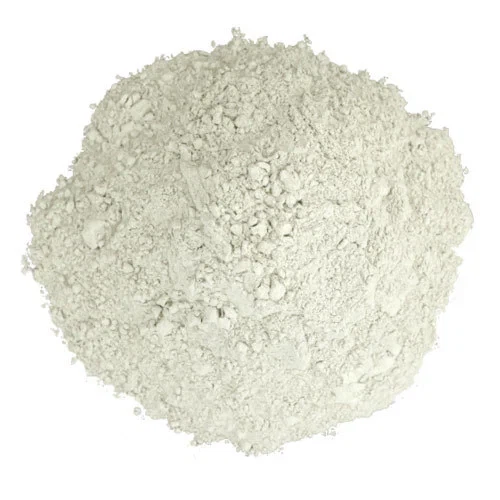
Polyanionic Cellulose PAC LV is a type of modified cellulose product. It is widely used in various industries, especially in the oil and gas drilling sector. PAC LV offers excellent fluid - loss control properties, which helps to maintain the stability of drilling fluids. Its low - viscosity characteristic makes it suitable for applications where a lower viscosity of the fluid is required. You can find more information about Polyanionic Cellulose PAC LV on our website.
Chemical Composition and Biodegradability
The main component of PAC LV is cellulose, which is a natural polymer. Cellulose is derived from plant sources such as wood pulp or cotton linters. During the production process of PAC LV, the cellulose is chemically modified by introducing polyanionic groups. This modification enhances its performance in different applications.
One of the key factors in determining environmental friendliness is biodegradability. Cellulose is inherently biodegradable. Microorganisms in the environment can break down cellulose into simpler substances such as carbon dioxide and water over time. Although the polyanionic modification may slow down the biodegradation process to some extent, studies have shown that PAC LV is still biodegradable under appropriate environmental conditions. For example, in soil environments with a rich microbial population, the degradation of PAC LV can occur within a reasonable time frame.
Environmental Impact in Oil and Gas Drilling
In the oil and gas drilling industry, PAC LV is used to control the fluid - loss of drilling muds. Drilling muds are essential for lubricating the drill bit, carrying cuttings to the surface, and maintaining wellbore stability. Without proper fluid - loss control, the drilling mud can seep into the surrounding rock formations, leading to formation damage and increased costs.
Compared to some traditional drilling fluid additives, PAC LV has several environmental advantages. Many traditional additives contain heavy metals or toxic chemicals that can pose a significant threat to the environment if released. PAC LV, on the other hand, is based on a natural polymer and does not contain these harmful substances.
When drilling operations are completed, the drilling mud containing PAC LV needs to be disposed of properly. Since PAC LV is biodegradable, it can be treated in an environmentally - friendly way. For example, in some cases, the drilling mud can be treated in a bioreactor where microorganisms can break down the PAC LV and other organic components. This reduces the volume of waste and minimizes the environmental impact.
Comparison with Other Polyanionic Cellulose Grades
There are other grades of polyanionic cellulose, such as Polyanionic Cellulose PAC DLV and Polyanionic Cellulose PAC DHV. PAC DLV has a lower degree of substitution and a different viscosity profile compared to PAC LV. PAC DHV, on the other hand, has a higher viscosity and is suitable for applications where a higher - viscosity drilling fluid is required.
In terms of environmental friendliness, all these grades are based on cellulose and share the common advantage of being derived from natural sources. However, their biodegradability and environmental impact may vary slightly due to differences in their chemical structures and degrees of modification. PAC LV, with its relatively lower degree of modification compared to some other grades, may have a more favorable biodegradation rate in some cases.
Regulatory Compliance
The use of PAC LV in various industries is subject to environmental regulations. In many countries, there are strict regulations regarding the use and disposal of drilling fluids and their additives. PAC LV meets the requirements of these regulations in terms of its chemical composition and environmental impact. For example, it does not exceed the allowable limits of heavy metals and other harmful substances. This regulatory compliance ensures that the use of PAC LV is in line with environmental protection goals.
Potential Risks and Mitigation Measures
Although PAC LV is generally considered environmentally friendly, there are still some potential risks. For example, during the production process, if the chemical modification is not properly controlled, there may be the release of harmful by - products. To mitigate these risks, we have implemented strict quality control measures in our production facilities. We ensure that all production processes are carried out in accordance with environmental standards.
In addition, in the application of PAC LV in drilling operations, there is a risk of accidental spills. To address this issue, we provide our clients with guidelines on spill prevention and response. In case of a spill, the PAC LV can be contained and cleaned up in an environmentally - friendly way.
Applications Beyond Oil and Gas Drilling
PAC LV also has applications in other industries such as the food industry, pharmaceutical industry, and personal care industry. In the food industry, it can be used as a thickener, stabilizer, or emulsifier. In the pharmaceutical industry, it can be used in tablet coatings and controlled - release formulations. In the personal care industry, it can be found in products such as shampoos and lotions.
In these non - drilling applications, the environmental friendliness of PAC LV is also an important consideration. Since it is derived from natural sources and is biodegradable, it is a more sustainable choice compared to some synthetic additives. For example, in food products, consumers are increasingly demanding natural and environmentally - friendly ingredients. PAC LV meets these requirements and can be used to improve the quality and stability of food products.

Conclusion
In conclusion, Polyanionic Cellulose PAC LV can be considered an environmentally - friendly product. Its natural origin, biodegradability, and relatively low environmental impact in various applications make it a sustainable choice. Although there are some potential risks, these can be effectively mitigated through proper production processes and application management.
As a supplier of PAC LV, we are committed to providing high - quality and environmentally - friendly products. If you are interested in purchasing PAC LV for your specific application, we invite you to contact us for a detailed discussion. Our team of experts can provide you with more information on the product's performance, application methods, and environmental impact. Let's work together to achieve sustainable development in different industries.
References
- "Biodegradability of Cellulose - Based Polymers" - Journal of Environmental Polymer Degradation
- "Environmental Impact Assessment of Drilling Fluid Additives" - International Journal of Oil and Gas Exploration
- "Applications of Polyanionic Cellulose in Different Industries" - Polymer Science and Technology Journal


