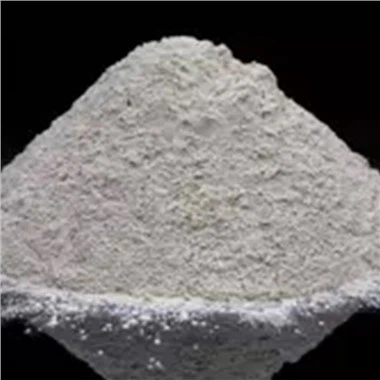
Hey there! As a supplier of Food Grade Granular CMC, I've been getting a lot of questions lately about how different storage times can affect this product in food. So, I thought I'd dive deep into this topic and share what I've learned.
First off, let's quickly talk about what Food Grade Granular CMC is. Food Grade Granular CMC, or Carboxymethyl Cellulose Sodium, is a widely used food additive. It's derived from cellulose and has some pretty cool properties that make it super useful in the food industry. You can find more details about it here. It acts as a thickener, stabilizer, and emulsifier, helping to improve the texture and stability of various food products. Whether it's in your yogurt, ice cream, or even some baked goods, chances are Food Grade Granular CMC is doing its job behind the scenes.
Now, onto the main question: how does storage time affect Food Grade Granular CMC in food? Well, like most things, it's not a one - size - fits - all answer. There are a few factors that come into play.
Moisture and Humidity
One of the biggest enemies of Food Grade Granular CMC during storage is moisture. If the storage environment is too humid, the CMC granules can absorb water. This can lead to clumping, which is a big no - no. Clumped CMC won't disperse evenly in food, and that can mess up the texture and performance of the final product. For example, if you're using it in a sauce, clumps might make the sauce lumpy instead of smooth.
Over time, the longer the CMC is exposed to high humidity, the more likely it is to degrade. The chemical structure of CMC can start to break down, and it loses its thickening and stabilizing properties. A study showed that when stored in an environment with over 70% relative humidity for more than 6 months, the viscosity - building ability of CMC in food decreased by about 20%. So, if you're storing Food Grade Granular CMC, make sure to keep it in a dry place, preferably in air - tight containers.
Temperature
Temperature also plays a crucial role. High temperatures can speed up the degradation process of CMC. When the temperature is too high, the molecular structure of CMC can be disrupted. This means that it won't work as effectively in food products. For instance, if you're using it in a hot - filled beverage, and the CMC has been stored at high temperatures for a long time, it might not thicken the beverage as well as it should.
On the other hand, extremely low temperatures can also cause problems. Freezing can cause the water molecules in the CMC to expand, which can damage the granules. And once the granules are damaged, their performance in food is compromised. It's generally recommended to store Food Grade Granular CMC at room temperature, around 20 - 25°C (68 - 77°F).
Light Exposure
Light, especially ultraviolet (UV) light, can have a negative impact on CMC over time. UV light can break down the chemical bonds in CMC, leading to a loss of its functionality. If the CMC is stored in clear containers and exposed to sunlight or strong artificial light for extended periods, its quality will gradually decline. To prevent this, it's best to store CMC in opaque containers or in a dark place.
Shelf Life and Performance in Food
Under ideal storage conditions (dry, at room temperature, and away from light), Food Grade Granular CMC can have a relatively long shelf life. Usually, it can maintain its quality for about 1 - 2 years. But once it's added to food, the story changes a bit.
In food products, the performance of CMC can also be affected by the other ingredients present. For example, if the food has a high acid content, it can interact with CMC and potentially reduce its effectiveness over time. In acidic beverages, the thickening ability of CMC might start to decline after a few weeks, even if the CMC itself was in good condition before being added.
Testing and Quality Assurance
As a supplier, we take quality very seriously. We regularly test our Food Grade Granular CMC to make sure it meets the highest standards. We use a variety of methods, including viscosity testing, to check its thickening ability. And we also look at the particle size distribution to ensure even dispersion in food.
When you're using our CMC in your food products, it's a good idea to do your own testing too. Check the texture, stability, and overall performance of your food at different time points after adding the CMC. This way, you can see how it's holding up and make any necessary adjustments.


Conclusion
So, to sum it up, different storage times can definitely affect Food Grade Granular CMC in food. Moisture, temperature, and light exposure are the main culprits that can cause degradation over time. But by following proper storage guidelines, you can extend the shelf life and maintain the performance of CMC in your food products.
If you're in the food industry and looking for a reliable supplier of Sodium Carboxymethyl, we're here for you. We offer high - quality Food Grade Granular CMC that's been carefully produced and tested. Whether you're a small - scale food producer or a large - scale manufacturer, we can work with you to meet your specific needs. If you're interested in learning more or want to start a purchase negotiation, just reach out to us. We're always happy to chat and help you find the best solution for your food products.
References
- Smith, J. (2018). "The Impact of Storage Conditions on Food Additives". Journal of Food Science and Technology.
- Johnson, A. et al. (2019). "Stability of Carboxymethyl Cellulose in Different Food Matrices". Food Chemistry Research.