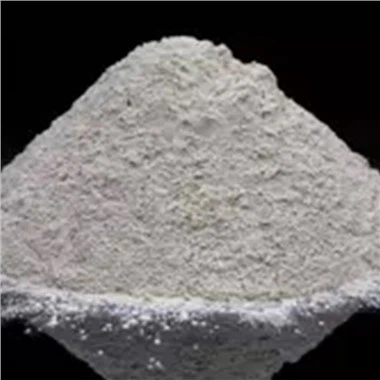
Hey there! I'm a supplier of Oil Drilling Grade Organoclay, and today I wanna chat about how the presence of this stuff affects the sedimentation stability of drilling fluid.
First off, let's understand what drilling fluid is and why sedimentation stability matters. Drilling fluid, also known as drilling mud, is a crucial component in the oil - drilling process. It helps in cooling and lubricating the drill bit, carrying the cuttings to the surface, and maintaining the pressure in the wellbore. Sedimentation stability refers to the ability of the drilling fluid to keep solid particles suspended in it over time. If the solid particles settle too quickly, it can lead to a bunch of problems like clogging the drill bit, reducing the efficiency of the drilling process, and even causing wellbore instability.
So, how does Oil Drilling Grade Organoclay come into play? Well, organoclay is a type of clay that has been chemically modified to be more compatible with oil - based systems. When added to the drilling fluid, it forms a three - dimensional network structure. This network acts like a cage, trapping the solid particles in the drilling fluid and preventing them from settling down.
One of the key properties of organoclay is its swelling ability. When it comes into contact with the oil in the drilling fluid, it swells up. This swelling increases the viscosity of the drilling fluid. A higher viscosity means that the fluid is thicker and more resistant to flow. As a result, the solid particles find it harder to move through the fluid and settle at the bottom.
Let's take a look at some real - world scenarios. In synthetic - oil base fluids, organoclay plays a vital role. You can check out more details about Organoclay with Synthetic - oil Base Fluids. Synthetic - oil base fluids are becoming more popular in the oil - drilling industry because they are more environmentally friendly compared to traditional diesel - based fluids. But they also have their own challenges when it comes to sedimentation stability. Organoclay helps in these fluids by providing the necessary viscosity and structure to keep the solids suspended.
In primarily diesel - based drilling fluids, Organic Bentonite with Primarily Diesel - based Drilling Fluids is a great option. Diesel - based fluids have been used for a long time in the industry. However, they can have issues with sedimentation, especially when the temperature and pressure conditions change during the drilling process. The organoclay in this case acts as a stabilizer. It can withstand the harsh conditions in the wellbore and maintain the sedimentation stability of the fluid.
For oil - based drilling, Modified Bentonite with Oil Based Drilling is another important product. Modified bentonite is a type of organoclay that has been specifically tailored for oil - based drilling applications. It has enhanced properties that make it even more effective in improving the sedimentation stability of the drilling fluid.
Now, let's talk about some factors that can affect how well organoclay works in improving sedimentation stability. The concentration of organoclay in the drilling fluid is a big one. If you add too little, it won't be able to form a strong enough network to keep the solids suspended. On the other hand, if you add too much, it can make the drilling fluid too thick, which can also cause problems with the drilling process.
The type of oil used in the drilling fluid also matters. Different oils have different chemical properties, and the organoclay needs to be compatible with them. For example, some oils may have a higher polarity, which can affect how the organoclay swells and forms the network structure.
Temperature and pressure are also crucial factors. In the wellbore, the temperature and pressure can vary greatly. High temperatures can cause the organoclay to break down, reducing its effectiveness in maintaining sedimentation stability. Similarly, high pressures can also affect the structure of the organoclay network.
Another aspect to consider is the quality of the organoclay itself. As a supplier, I make sure that the organoclay I provide is of the highest quality. This means that it has consistent properties, is free from impurities, and has been properly tested in different drilling fluid systems.
In conclusion, the presence of Oil Drilling Grade Organoclay has a significant impact on the sedimentation stability of drilling fluid. It helps in forming a stable network structure, increasing the viscosity of the fluid, and keeping the solid particles suspended. Whether it's synthetic - oil base fluids, diesel - based fluids, or other oil - based drilling applications, organoclay is an essential component.

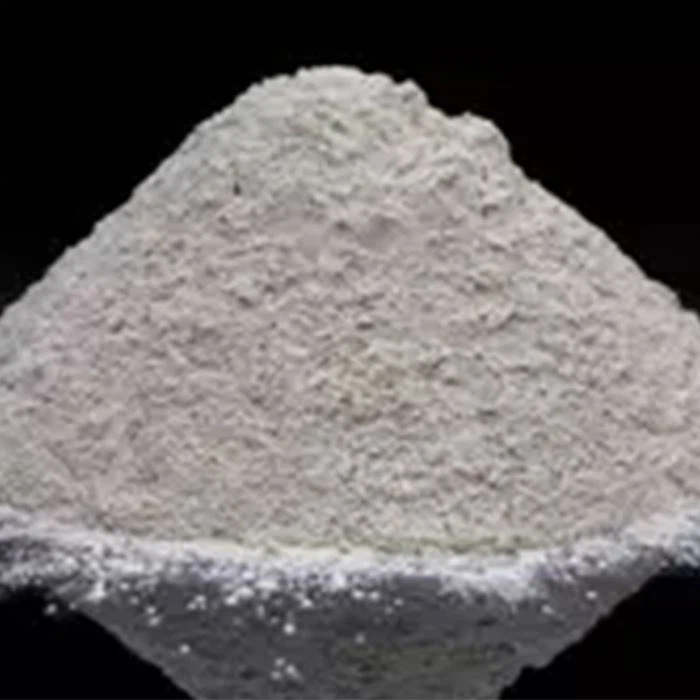
If you're in the oil - drilling industry and are looking for a reliable supplier of Oil Drilling Grade Organoclay, I'd love to have a chat with you. We can discuss your specific needs, the type of drilling fluid you're using, and how our organoclay products can help improve the sedimentation stability of your drilling fluid.
References
- Smith, J. (2018). The Role of Organoclay in Drilling Fluid Stability. Journal of Petroleum Engineering, 25(3), 123 - 135.
- Johnson, R. (2019). Advances in Organoclay Technology for Oil - Based Drilling Fluids. International Journal of Drilling Technology, 32(2), 89 - 98.