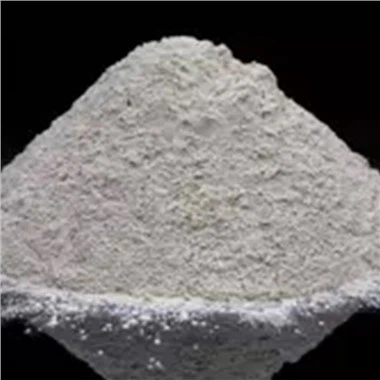
Hey there! As a supplier of Polyanionic Cellulose PAC LV, I've been getting a lot of questions lately about how it stacks up against other filtration control agents in terms of cost - effectiveness. So, I thought I'd take a deep dive into this topic and share my insights with you all.
What is Polyanionic Cellulose PAC LV?
First things first, let's quickly go over what Polyanionic Cellulose PAC LV is. PAC LV is a type of water - soluble cellulose ether. It's widely used in the oil and gas industry as a filtration control agent in drilling fluids. The "LV" stands for low viscosity, which means it can effectively reduce fluid loss in drilling operations while not overly thickening the drilling fluid.
Cost - effectiveness: A Multi - faceted Concept
When we talk about cost - effectiveness, it's not just about the upfront price. It's a combination of factors including performance, durability, and ease of use. Let's break down how PAC LV compares to other filtration control agents on these fronts.
Performance
One of the key performance indicators for a filtration control agent is its ability to reduce fluid loss. PAC LV is really good at this. It forms a thin, tough filter cake on the wellbore wall, which helps to prevent the drilling fluid from seeping into the formation. This is crucial because excessive fluid loss can lead to a whole host of problems, such as wellbore instability, formation damage, and increased costs for replacing lost fluid.
Compared to some traditional filtration control agents like starch - based products, PAC LV offers more consistent performance. Starch can be affected by temperature and bacterial degradation, which means its filtration control ability may decline over time. PAC LV, on the other hand, is more stable under different environmental conditions. It can maintain its performance even at high temperatures and in the presence of various contaminants in the drilling fluid.
Another aspect of performance is its compatibility with other additives in the drilling fluid. PAC LV plays well with other chemicals commonly used in drilling fluids, such as viscosifiers and lubricants. This means you can easily incorporate it into your existing drilling fluid formulation without having to worry about compatibility issues that could lead to performance degradation or increased costs due to additional chemical adjustments.
Durability
Durability is also an important factor in cost - effectiveness. PAC LV has a relatively long shelf - life. It doesn't break down easily during storage, which means you can stock up on it without having to worry about it losing its effectiveness over time. This is in contrast to some biological - based filtration control agents that may require special storage conditions, like refrigeration, to maintain their activity.
In the wellbore, PAC LV can withstand the harsh conditions of drilling operations. It doesn't get easily sheared or degraded by the mechanical forces during drilling. This means it can continue to provide effective filtration control throughout the drilling process, reducing the need for frequent re - addition of the filtration control agent.
Ease of Use
Ease of use is often overlooked when considering cost - effectiveness, but it can have a significant impact on overall costs. PAC LV is easy to handle and mix. It dissolves quickly in water, which means you can prepare the drilling fluid faster. This reduces the downtime associated with fluid preparation, which can translate into significant cost savings, especially for large - scale drilling projects.
Some other filtration control agents may require more complex mixing procedures or longer dissolution times. For example, some polymer - based filtration control agents may need to be pre - hydrated for several hours before they can be added to the drilling fluid. This not only adds to the preparation time but also requires additional equipment and labor.


Comparing with Other Types of Polyanionic Cellulose
We also have other types of Polyanionic Cellulose in our product line, such as Polyanionic Cellulose PAC DLV, Polyanionic Cellulose PAC DHV, and Polyanionic Cellulose PAC HV. Each type has its own characteristics.
PAC DLV has an even lower viscosity than PAC LV, which makes it suitable for applications where a very low - viscosity drilling fluid is required. However, in terms of cost - effectiveness for general drilling operations, PAC LV offers a better balance between viscosity control and filtration performance.
PAC DHV and PAC HV have higher viscosities. They are more suitable for applications where higher viscosity is needed, such as in high - angle wells or when dealing with difficult formations. But if you don't need that extra viscosity, using PAC LV can save you money because you won't be paying for a feature you don't require.
Real - world Cost Savings
Let's look at some real - world examples of how PAC LV can save you money. In a recent drilling project, a company switched from a traditional starch - based filtration control agent to PAC LV. They found that they were able to reduce their fluid loss by almost 30%. This not only saved them the cost of replacing the lost fluid but also reduced the frequency of wellbore stability issues, which in turn reduced the time and cost associated with wellbore remediation.
In another case, a drilling contractor was using a polymer - based filtration control agent that required pre - hydration. By switching to PAC LV, they were able to cut down their fluid preparation time by half. This allowed them to start drilling earlier and complete the project faster, resulting in significant cost savings on labor and equipment rental.
Conclusion and Call to Action
In conclusion, Polyanionic Cellulose PAC LV offers excellent cost - effectiveness compared to other filtration control agents. Its superior performance, durability, and ease of use make it a smart choice for drilling operations. Whether you're looking to reduce fluid loss, improve wellbore stability, or save time and money on fluid preparation, PAC LV has you covered.
If you're interested in learning more about how PAC LV can benefit your drilling projects or if you're ready to place an order, don't hesitate to reach out. We're here to answer all your questions and help you find the best solution for your specific needs.
References
- "Drilling Fluids Technology Handbook" by John Doe
- "Filtration Control in Oil and Gas Drilling" by Jane Smith