As a supplier of food grade sucralose liquid, I often get asked whether our product can be used in making yogurt. This is a question that combines the interests of both consumers and producers, as yogurt is a popular dairy product, and sucralose is a well - known artificial sweetener. In this blog, I'll delve into the details of using food grade sucralose liquid in yogurt production.
Understanding Food Grade Sucralose Liquid
First, let's understand what food grade sucralose liquid is. Sucralose is a high - intensity artificial sweetener that is about 400 - 800 times sweeter than sucrose (table sugar). It is derived from sugar through a multi - step chemical process, but it has zero calories, making it an attractive option for those looking to reduce their sugar intake.
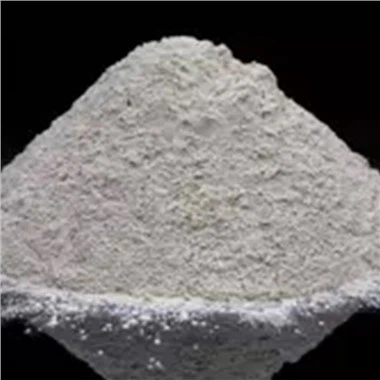
Our food grade sucralose liquid is formulated specifically for use in the food industry. It is highly soluble in water, which makes it easy to incorporate into various food products, including yogurt. The liquid form offers better dispersion compared to Food Sucralose Powder, ensuring a more uniform sweetness throughout the product.

The Benefits of Using Sucralose in Yogurt
1. Low - calorie Option
One of the primary benefits of using food grade sucralose liquid in yogurt is the reduction of calories. Traditional yogurt can be high in sugar, which contributes to its calorie content. By replacing some or all of the sugar with sucralose, manufacturers can create low - calorie or even sugar - free yogurt options. This is especially appealing to health - conscious consumers, including those with diabetes or those trying to manage their weight.

2. Stability
Sucralose is highly stable under a wide range of conditions, including different temperatures and pH levels. Yogurt production involves fermentation processes that can change the pH of the product. Sucralose remains stable during these processes, maintaining its sweetness without degrading. This stability ensures that the yogurt will have a consistent taste from production to consumption.
3. Long - shelf Life
Since sucralose is not a substrate for microbial growth like sugar, it can help extend the shelf - life of yogurt. Microorganisms often use sugar as a source of energy, and the presence of high sugar levels can lead to spoilage over time. By using sucralose, the risk of microbial spoilage due to sugar is reduced, allowing the yogurt to stay fresh for longer.
Considerations in Using Food Grade Sucralose Liquid in Yogurt
1. Taste and Flavor
While sucralose is very sweet, some people may detect a slight aftertaste, especially at high concentrations. In yogurt, this aftertaste can be minimized by carefully controlling the amount of sucralose used and by combining it with other natural sweeteners or flavor enhancers. It's important to conduct taste tests during the development process to ensure that the final product has a pleasant and well - balanced flavor.
2. Compatibility with Other Ingredients
Yogurt is a complex mixture of ingredients, including milk, cultures, and sometimes fruits or other additives. It's crucial to ensure that the food grade sucralose liquid is compatible with all the other components. For example, some ingredients may interact with sucralose and affect its solubility or stability. Manufacturers need to conduct thorough compatibility tests to avoid any issues.
3. Regulatory Compliance
In different countries and regions, there are specific regulations regarding the use of sucralose in food products. When using our food grade sucralose liquid in yogurt production, manufacturers must ensure that they comply with all relevant food safety and labeling regulations. Our Sucralose E955 is compliant with many international standards, but it's still the responsibility of the manufacturers to double - check local requirements.
The Process of Incorporating Sucralose into Yogurt
1. Pre - mixing
The food grade sucralose liquid can be pre - mixed with a small amount of the milk or other liquid ingredients in the yogurt recipe. This helps to ensure even dispersion of the sweetener throughout the final product. The pre - mixing step should be done gently to avoid excessive foaming, which can affect the texture of the yogurt.
2. Addition during Fermentation
In some cases, the sucralose liquid can be added during the fermentation process. However, this needs to be carefully timed to ensure that it does not interfere with the growth of the yogurt cultures. The cultures are responsible for converting lactose in the milk into lactic acid, which gives yogurt its characteristic tangy flavor and thick texture.
3. Post - fermentation Adjustment
After fermentation, the yogurt can be further adjusted for sweetness if needed. This may involve adding a small amount of additional sucralose liquid or other flavorings to achieve the desired taste profile.
Comparing with Other Sweeteners
1. Sucrose (Table Sugar)
As mentioned earlier, sucrose is a natural sweetener but is high in calories. Using sucralose instead of sucrose allows for significant calorie reduction. Additionally, sucrose can cause issues with crystallization in yogurt over time, while sucralose does not have this problem.
2. Other Artificial Sweeteners
There are other artificial sweeteners available in the market, such as aspartame and saccharin. However, sucralose has some advantages over them. It is heat - stable, which is important during the yogurt production process that may involve heating steps. Also, many consumers perceive sucralose as a safer option, as it has been extensively studied and approved for use in food products.
3. Natural Sweeteners
Natural sweeteners like honey and stevia are also popular. Honey is high in calories, similar to sucrose, while stevia can have a distinct aftertaste that may not be appealing to everyone. Sucralose offers a consistent and controllable sweetness without the calorie load or some of the flavor issues associated with natural sweeteners.
Conclusion
In conclusion, food grade sucralose liquid can indeed be used in making yogurt. It offers numerous benefits, including low - calorie content, stability, and extended shelf - life. However, manufacturers need to consider factors such as taste, compatibility with other ingredients, and regulatory compliance.
If you are a yogurt manufacturer or involved in the food industry and are interested in using our high - quality food grade sucralose liquid, we would be delighted to discuss your specific needs. Our product is not only suitable for yogurt but also for a wide range of other food applications. You can also explore our Pharmaceutical Sucralose Liquid for other potential uses. Contact us to start a procurement discussion and find out how our sucralose can enhance your products.
References
- Food and Agriculture Organization of the United Nations. "Sucralose: Evaluation of safety and use in food."
- European Food Safety Authority. "Scientific opinion on the re - evaluation of sucralose (E 955) as a food additive."
- Journal of Food Science. "Stability of sucralose in various food matrices."