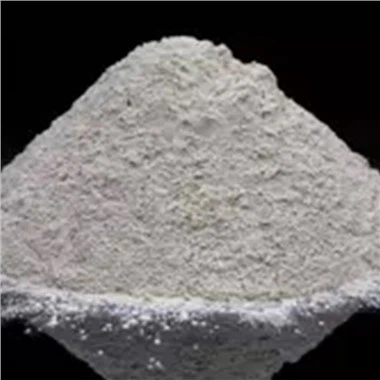
As a trusted supplier of Sodium Carboxymethyl, I'm often asked about the suitable pH range for this versatile compound. Sodium Carboxymethyl, commonly referred to as Sodium Carboxymethyl Cellulose, CMC Carboxymethyl Cellulose, or CMC Cellulose, is a water - soluble polymer with a wide range of applications in various industries, such as food, pharmaceuticals, and cosmetics. Understanding the appropriate pH range is crucial for its optimal performance.
Chemical Structure and Properties of Sodium Carboxymethyl
Sodium Carboxymethyl Cellulose is an anionic polymer that is derived from cellulose through a chemical modification process. The cellulose is reacted with chloroacetic acid in the presence of sodium hydroxide, resulting in the substitution of some of the hydroxyl groups on the cellulose backbone with carboxymethyl groups. The presence of these carboxymethyl groups gives Sodium Carboxymethyl its unique properties, such as its solubility in water, thickening ability, and stabilizing characteristics.
The solubility of Sodium Carboxymethyl in water is highly pH - dependent. At low pH values, the carboxymethyl groups are protonated, forming carboxylic acid groups. This leads to a decrease in the solubility of the polymer, as the carboxylic acid groups tend to associate with each other through hydrogen bonding. As the pH increases, the carboxylic acid groups are deprotonated, forming carboxylate anions. These anions are highly soluble in water due to their negative charge, which allows them to interact with water molecules through ion - dipole interactions.
pH Range for Optimal Solubility
In general, Sodium Carboxymethyl exhibits good solubility in the pH range of 6 - 10. In this pH region, the majority of the carboxymethyl groups are in the deprotonated form, which ensures maximum solubility and stability of the polymer in aqueous solutions.
When the pH is below 6, the solubility starts to decline. At very low pH values (e.g., pH < 3), the polymer may start to precipitate out of the solution, forming a gel or a solid phase. This is because the protonated carboxymethyl groups reduce the hydrophilic nature of the polymer, making it less compatible with water. For applications where a clear and stable solution is required, such as in beverage industries, maintaining the pH within the 6 - 10 range is essential.
On the other hand, when the pH exceeds 10, there may be some stability issues. Although Sodium Carboxymethyl remains soluble at high pH values, the alkaline environment can potentially hydrolyze the polymer chains over time. Hydrolysis involves the breaking of the chemical bonds in the polymer, which can lead to a decrease in its molecular weight and a loss of its thickening and stabilizing properties. Therefore, while Sodium Carboxymethyl can tolerate slightly basic conditions, long - term exposure to highly alkaline solutions should be avoided.
pH Range in Different Applications
Food Industry
In the food industry, Sodium Carboxymethyl Cellulose is widely used as a thickening agent, emulsifier, and stabilizer. It is added to a variety of food products, such as ice cream, salad dressings, and sauces. The pH of food products can vary significantly. For example, acidic foods like tomato - based sauces may have a pH around 4 - 5, while dairy products like milk typically have a pH around 6.5 - 6.7.
In acidic food products, it is necessary to use a special type of Sodium Carboxymethyl that is more resistant to low - pH conditions. These modified versions of the polymer have been designed to maintain their functionality even in an acidic environment. In most food applications, a pH range of 4 - 7.5 is considered suitable for Sodium Carboxymethyl, as it can effectively perform its thickening and stabilizing functions within this range without significant precipitation or degradation.
Pharmaceutical Industry
In the pharmaceutical industry, CMC Carboxymethyl Cellulose is used as a binder, disintegrant, and suspending agent in tablets and liquid formulations. The pH of pharmaceutical formulations can vary depending on the nature of the drug and the intended route of administration. For oral formulations, the pH is usually maintained in a range that is compatible with the stability of the drug and the physiological pH of the gastrointestinal tract, which is around 5 - 7 in the small intestine.


Sodium Carboxymethyl is well - suited for these formulations as it can maintain its solubility and functionality within this pH range. In topical formulations, such as creams and ointments, the pH is often adjusted to be close to the pH of the skin, which is around 5.5 - 7.0. Sodium Carboxymethyl can provide the necessary thickening and stabilizing effects in these products while remaining stable at the appropriate pH.
Cosmetic Industry
In the cosmetic industry, CMC Cellulose is used in a variety of products, including lotions, shampoos, and makeup. The pH requirements in cosmetics are often based on skin compatibility. The skin has a slightly acidic pH, and cosmetic products are typically formulated to have a pH in the range of 4.5 - 6.5 to maintain the skin's natural barrier function.
Sodium Carboxymethyl can be used in these products to provide viscosity control and stability. However, in highly acidic formulations, it may be necessary to select a grade of Sodium Carboxymethyl that is specifically designed for low - pH applications to prevent precipitation and ensure a uniform and stable product.
Importance of pH Control
Maintaining the appropriate pH range for Sodium Carboxymethyl is of utmost importance for several reasons. Firstly, it directly affects the solubility and functionality of the polymer. If the pH is outside the suitable range, the polymer may not dissolve properly, leading to issues such as sedimentation, phase separation, or a loss of thickening and stabilizing effects in products.
Secondly, pH control is essential for the stability of the final product. In many applications, the performance of the product over time is critical. An inappropriate pH can cause the degradation of the Sodium Carboxymethyl polymer, which can lead to changes in the product's physical and chemical properties. This can result in a shorter shelf - life and a decrease in the quality of the product.
Conclusion
In conclusion, the suitable pH range for Sodium Carboxymethyl depends on its intended application. Generally, a pH range of 6 - 10 is optimal for its solubility and stability in aqueous solutions. However, in specific industries such as food, pharmaceuticals, and cosmetics, the pH range may vary from 4 - 7.5 depending on the requirements of the product.
As a leading supplier of Sodium Carboxymethyl, we offer a wide range of grades that are tailored to different pH conditions and applications. Whether you need a product for an acidic food formulation or a pharmaceutical product with a specific pH requirement, we have the expertise and the products to meet your needs. If you are interested in purchasing Sodium Carboxymethyl or have any questions about its pH suitability for your application, please feel free to contact us for a detailed discussion and a customized solution.
References
- Davidson, R. L. (1980). Handbook of Water - Soluble Gums and Resins. McGraw - Hill.
- Whistler, R. L., & BeMiller, J. N. (Eds.). (1993). Industrial Gums: Polysaccharides and Their Derivatives. Academic Press.