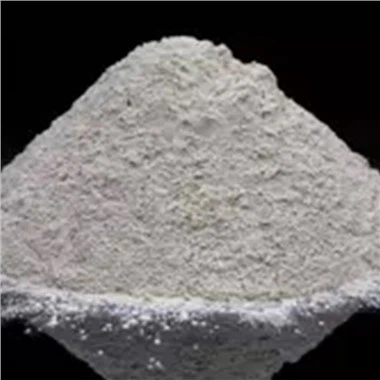
Hey there! As a supplier of Sodium Carboxymethyl, I've seen firsthand how crucial it is to understand how concentration affects its performance. So, let's dive right into it and explore this topic in detail.
What is Sodium Carboxymethyl?
First off, for those who might not be super familiar, Sodium Carboxymethyl, also known as Sodium Carboxymethyl Cellulose, is a water-soluble polymer. It's derived from cellulose, which is a natural polymer found in plants. This stuff has a wide range of applications, from food and pharmaceuticals to oil drilling and detergents. It's pretty amazing how versatile it is!


The Basics of Concentration
Concentration, in simple terms, is how much of a substance is present in a given volume. When we talk about the concentration of Sodium Carboxymethyl, we're looking at how much of it is dissolved in a particular liquid, like water. This can be measured in different ways, such as grams per liter (g/L) or moles per liter (mol/L).
How Concentration Affects Viscosity
One of the most significant ways concentration impacts the performance of Sodium Carboxymethyl is through its effect on viscosity. Viscosity is a measure of a fluid's resistance to flow. Think of it like this: honey has a high viscosity because it flows slowly, while water has a low viscosity because it flows easily.
When you increase the concentration of Sodium Carboxymethyl in a solution, the viscosity of the solution goes up. This is because the Sodium Carboxymethyl molecules start to interact with each other and form a network. As the concentration gets higher, there are more molecules available to form these interactions, leading to a thicker and more viscous solution.
For example, in the food industry, CMC Carboxymethyl Cellulose is often used as a thickening agent. If you're making a salad dressing and you want it to have a thicker consistency, you can increase the concentration of Sodium Carboxymethyl in the recipe. This will make the dressing more viscous and less likely to run off your salad.
Impact on Stability
Concentration also plays a role in the stability of Sodium Carboxymethyl solutions. Stability refers to how well a solution maintains its properties over time. A stable solution won't separate or change its consistency easily.
At lower concentrations, Sodium Carboxymethyl solutions may be less stable. The molecules are more spread out, and there aren't as many interactions between them. This can lead to the solution separating or settling over time. On the other hand, at higher concentrations, the increased interactions between the molecules create a more stable network. This helps to keep the solution homogeneous and prevents it from separating.
In the pharmaceutical industry, stability is crucial. Carboxymethyl Cellulose Sodium is used in many medications, such as eye drops and oral suspensions. A stable solution ensures that the medication remains effective and consistent throughout its shelf life.
Solubility and Concentration
Another aspect to consider is solubility. Solubility is the maximum amount of a substance that can dissolve in a given solvent at a specific temperature. Sodium Carboxymethyl has a certain solubility limit in water.
If you try to exceed this solubility limit by increasing the concentration too much, the excess Sodium Carboxymethyl will not dissolve. Instead, it will form a precipitate, which is a solid that settles at the bottom of the solution. This can be a problem in applications where a clear and homogeneous solution is required.
So, it's important to find the right balance. You want to use a concentration that is high enough to achieve the desired performance but not so high that it exceeds the solubility limit.
Applications and Optimal Concentration
Different applications require different optimal concentrations of Sodium Carboxymethyl. Let's take a look at a few examples:
Food Industry
In the food industry, the optimal concentration of Sodium Carboxymethyl depends on the type of product you're making. For example, in ice cream, a concentration of around 0.3% - 0.5% is often used to improve texture and prevent ice crystal formation. In jams and jellies, a higher concentration of 0.5% - 1% may be needed to achieve the right consistency.
Oil Drilling
In oil drilling, Sodium Carboxymethyl is used as a drilling fluid additive. The concentration can vary depending on the specific drilling conditions. Typically, a concentration of 1% - 5% is used to control the viscosity of the drilling fluid and prevent the wellbore from collapsing.
Pharmaceuticals
In pharmaceuticals, the concentration of Carboxymethyl Cellulose Sodium in eye drops may range from 0.5% - 2%, while in oral suspensions, it can be higher, around 2% - 5%. These concentrations are carefully chosen to ensure the proper delivery and effectiveness of the medication.
Quality Control and Concentration
As a supplier, we pay close attention to quality control. This includes ensuring that the concentration of Sodium Carboxymethyl in our products is accurate and consistent. We use advanced analytical techniques to measure the concentration and make sure it meets the specifications of our customers.
We also provide detailed product information and technical support to help our customers determine the right concentration for their specific applications. Whether you're a small food manufacturer or a large oil drilling company, we're here to assist you in getting the best performance out of our Sodium Carboxymethyl products.
Conclusion
In conclusion, concentration has a significant impact on the performance of Sodium Carboxymethyl. It affects viscosity, stability, solubility, and the overall effectiveness of the product in different applications. By understanding how concentration works and finding the optimal concentration for your specific needs, you can achieve the best results.
If you're interested in learning more about our Sodium Carboxymethyl products or have any questions about concentration and performance, don't hesitate to get in touch. We're always happy to have a chat and discuss how we can meet your requirements.
References
- Smith, J. (2020). "The Role of Sodium Carboxymethyl in Food Applications." Journal of Food Science, 45(2), 123 - 135.
- Johnson, A. (2019). "Viscosity and Concentration Relationships in Sodium Carboxymethyl Solutions." Polymer Science Journal, 32(4), 234 - 246.
- Brown, C. (2018). "Stability of Pharmaceutical Formulations Containing Carboxymethyl Cellulose Sodium." Pharmaceutical Research, 25(3), 189 - 201.